


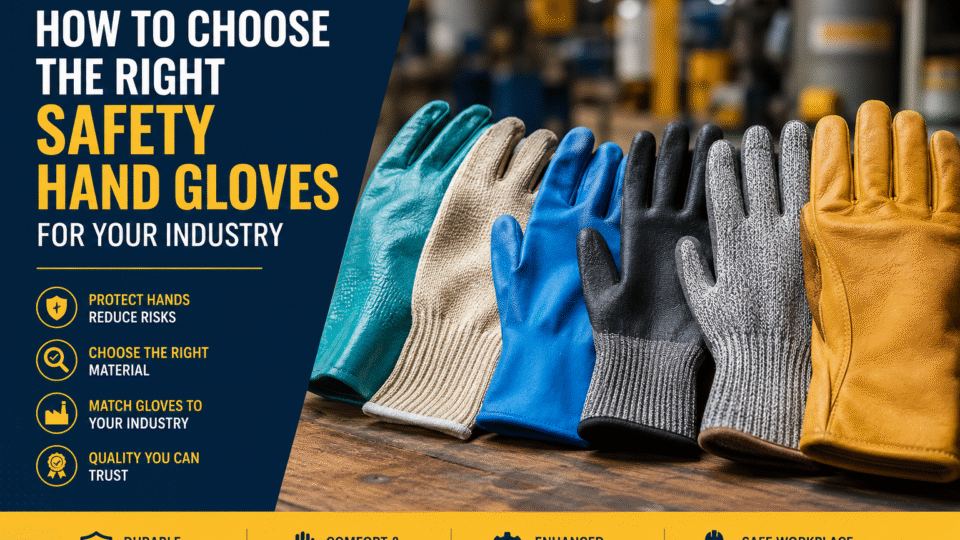
How to Choose the Right Safety Hand Gloves
Workplace hand injuries remain one of the most common causes of lost productivity, medical expenses, and employee downtime across industrial sectors. Whether workers handle chemicals, operate heavy machinery, perform construction tasks, or work in manufacturing environments, selecting the right Hand Gloves is essential for ensuring safety, comfort, and compliance with workplace regulations.
However, not all safety gloves offer the same level of protection. Different industries face different hazards, which means choosing the wrong glove can expose workers to unnecessary risks. Understanding glove materials, performance standards, and industry-specific requirements can help businesses make informed purchasing decisions.
This comprehensive guide explains how to choose the right safety hand gloves for your industry, compares popular glove materials, and highlights the key factors buyers should consider before making a purchase.
Why Safety Hand Gloves Matter
Hands are among the most frequently used body parts in any workplace. They are constantly exposed to hazards such as:
- Cuts and lacerations
- Abrasions and punctures
- Chemical exposure
- Heat and burns
- Cold temperatures
- Electrical risks
- Impact injuries
Properly selected hand protection reduces workplace accidents, improves worker confidence, and helps companies comply with occupational health and safety regulations.
Understanding Different Types of Hand Gloves
The first step in choosing the right glove is understanding the materials available and the protection each type provides.
1. Nitrile Gloves
Nitrile gloves are among the most widely used disposable safety gloves in industrial and medical environments. Made from synthetic rubber, they offer excellent resistance to chemicals, oils, and punctures.
Key Benefits:
- Chemical-resistant
- Latex-free
- High puncture resistance
- Excellent durability
- Suitable for prolonged use
Best Industries:
- Chemical processing
- Automotive
- Healthcare
- Laboratory work
- Food processing
Nitrile gloves are an excellent choice when workers regularly handle solvents, oils, and hazardous substances.
2. Latex Gloves
Latex gloves provide superior flexibility, comfort, and tactile sensitivity. They fit closely to the hand, making them ideal for precision work.
Key Benefits:
- Excellent dexterity
- Comfortable fit
- Strong grip performance
- High elasticity
Best Industries:
- Medical facilities
- Dental clinics
- Pharmaceutical manufacturing
- Light assembly work
While latex gloves offer outstanding comfort, they may not be suitable for users with latex allergies.
3. PVC Gloves
PVC (Polyvinyl Chloride) gloves are designed for chemical handling and wet working environments. They provide reliable protection against acids, alkalis, and certain industrial chemicals.
Key Benefits:
- Cost-effective
- Water-resistant
- Chemical-resistant
- Good abrasion resistance
Best Industries:
- Chemical manufacturing
- Agriculture
- Cleaning services
- Petrochemical operations
PVC gloves are often selected when workers need protection from liquids and corrosive substances.
4. PU-Coated Gloves
Polyurethane-coated gloves combine lightweight comfort with enhanced grip and dexterity. These gloves are popular in applications requiring precision handling.
Key Benefits:
- Excellent grip
- High flexibility
- Breathable design
- Good abrasion resistance
Best Industries:
- Electronics manufacturing
- Warehousing
- Logistics
- Light assembly
PU-coated gloves help workers maintain control while handling small components and delicate materials.
5. Leather Gloves
Leather gloves have long been a preferred choice for heavy-duty industrial applications. They offer excellent durability and protection from mechanical hazards.
Key Benefits:
- High abrasion resistance
- Durable construction
- Heat resistance
- Long service life
Best Industries:
- Construction
- Welding
- Mining
- Heavy manufacturing
Leather gloves provide dependable protection in demanding work environments where durability is a top priority.
6. Cut-Resistant Gloves
Cut-resistant gloves are engineered using advanced fibers such as HPPE, Kevlar®, or steel-reinforced materials. These gloves help reduce the risk of cuts and lacerations when handling sharp objects.
Key Benefits:
- High cut protection
- Comfortable fit
- Excellent dexterity
- Enhanced durability
Best Industries:
- Glass manufacturing
- Metal fabrication
- Automotive production
- Construction
- Warehousing
For industries where workers handle sharp tools or materials, cut-resistant gloves are often essential.
Safety Hand Gloves Comparison Table
| Glove Type | Chemical Resistance | Cut Protection | Comfort | Durability | Best Applications |
| Nitrile Gloves | Excellent | Moderate | High | High | Chemicals, automotive, healthcare |
| Latex Gloves | Good | Low | Excellent | Moderate | Medical, pharmaceutical |
| PVC Gloves | Excellent | Low | Moderate | High | Chemical handling, cleaning |
| PU-Coated Gloves | Low | Moderate | Excellent | Moderate | Assembly, logistics |
| Leather Gloves | Moderate | Moderate | Good | Excellent | Construction, welding |
| Cut-Resistant Gloves | Moderate | Excellent | High | High | Manufacturing, metalwork |
Industry-Specific Recommendations
Selecting gloves based on workplace hazards is critical for achieving maximum protection.
Construction Industry
Construction workers encounter sharp edges, rough materials, heavy equipment, and abrasive surfaces daily.
Recommended Gloves:
- Leather gloves
- Cut-resistant gloves
- Impact-resistant gloves
Look for reinforced palms and high abrasion resistance for extended durability.
Manufacturing Industry
Manufacturing facilities often involve machinery, tools, and sharp metal components.
Recommended Gloves:
- Cut-resistant gloves
- PU-coated gloves
- Nitrile-coated gloves
Choose gloves that balance protection with dexterity to maintain productivity.
Chemical Industry
Chemical handling requires gloves capable of resisting hazardous substances.
Recommended Gloves:
- Nitrile gloves
- PVC gloves
- Chemical-resistant specialty gloves
Always verify chemical compatibility before purchasing.
Automotive Industry
Workers frequently handle oils, greases, solvents, and sharp components.
Recommended Gloves:
- Nitrile gloves
- Cut-resistant gloves
- PU-coated gloves
Oil-resistant coatings can improve grip and safety.
Food Processing Industry
Food safety standards require gloves that maintain hygiene while providing protection.
Recommended Gloves:
- Nitrile gloves
- Latex gloves (where allergies are not a concern)
Disposable gloves are often preferred to minimize contamination risks.
Warehousing and Logistics
Warehouse workers need gloves that provide grip and protection while handling packages and equipment.
Recommended Gloves:
- PU-coated gloves
- Cut-resistant gloves
Lightweight designs help reduce hand fatigue during long shifts.
Key Factors to Consider Before Purchasing Hand Gloves
Choosing safety gloves involves more than selecting a material. Buyers should evaluate several important factors.
1. Hazard Assessment
Identify the specific risks workers face, including:
- Cuts
- Chemicals
- Heat
- Cold
- Abrasion
- Impact
The glove should directly address the primary workplace hazard.
2. Safety Standards and Certifications
Always purchase gloves that meet recognized safety standards.
Common certifications include:
- EN 388 (mechanical risks)
- EN 374 (chemical protection)
- ANSI cut resistance standards
- ISO-certified manufacturing standards
Certified products provide verified performance and reliability.
3. Comfort and Fit
Poorly fitted gloves can reduce productivity and increase accident risks.
Consider:
- Hand size options
- Breathability
- Flexibility
- Weight
Comfortable workers are more likely to wear gloves consistently.
4. Grip Requirements
Different tasks require different grip characteristics.
For example:
- Wet environments require textured surfaces.
- Oily conditions require specialized coatings.
- Precision work benefits from thinner glove designs.
5. Durability and Lifespan
Reusable gloves should withstand workplace conditions without excessive wear.
Evaluate:
- Abrasion resistance
- Tear resistance
- Puncture resistance
- Expected replacement frequency
Although premium gloves may cost more initially, they often reduce long-term replacement expenses.
6. Environmental Conditions
Workplace temperature and humidity can influence glove performance.
For example:
- Cold environments require insulated gloves.
- Hot environments require breathable materials.
- Wet environments require waterproof protection.
Why Buy Certified Hand Gloves from SAMS Solutions?
Selecting a trusted supplier is just as important as choosing the right glove type. SAMS Solutions provides a comprehensive range of certified hand protection products designed to meet the safety requirements of various industries.
Their product range includes:
- Nitrile gloves
- Latex gloves
- PVC gloves
- PU-coated gloves
- Leather gloves
- Cut-resistant gloves
Businesses can explore the complete range of certified hand protection products through the Hand Protection category.
SAMS Solutions focuses on quality, compliance, and workplace safety, helping organizations protect employees while maintaining operational efficiency.
Final Thoughts
Choosing the right Hand Gloves is a critical investment in workplace safety. The ideal glove depends on the hazards workers face, the level of protection required, and the specific demands of the industry.
Nitrile gloves excel in chemical resistance, latex gloves provide superior comfort, PVC gloves perform well in wet environments, PU-coated gloves offer excellent dexterity, leather gloves deliver rugged durability, and cut-resistant gloves protect against sharp hazards.
Before purchasing, evaluate workplace risks, verify safety certifications, assess comfort and fit, and choose a reputable supplier. By selecting the correct hand protection, businesses can reduce injuries, improve productivity, and maintain compliance with safety regulations.
For organizations seeking reliable and certified hand protection products, SAMS Solutions offers a wide selection of safety gloves tailored to industrial requirements and workplace safety standards.








Leave a Reply