


Vasectomy and Utilization Patterns in Men’s Health
Vasectomy is one of the most effective and widely used forms of permanent male contraception. As healthcare systems increasingly emphasize preventive care, cost efficiency, and patient-centered decision-making, vasectomy has gained attention not only as a reproductive health procedure but also as a factor influencing broader healthcare utilization patterns in men’s health. Understanding how vasectomy affects healthcare engagement, resource use, and long-term health behaviors can provide valuable insights for healthcare providers, policymakers, and patients alike.
Understanding Vasectomy in Modern Healthcare
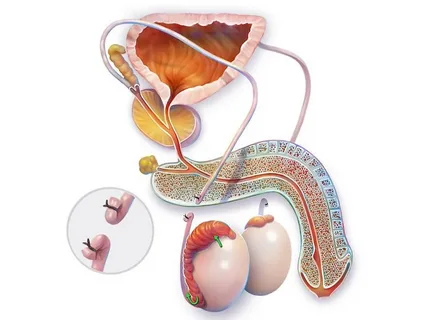
A vasectomy is a minor surgical procedure that prevents sperm from entering the semen by blocking or cutting the vas deferens. The procedure is typically performed in an outpatient setting under local anesthesia and has a high success rate exceeding 99%.
Compared with female sterilization procedures, vasectomy is less invasive, carries fewer risks, and generally requires a shorter recovery period. These characteristics make it an attractive option for couples seeking permanent contraception and contribute to its growing role in healthcare planning and resource allocation.
Healthcare Utilization Before Vasectomy
Men considering vasectomy often engage with healthcare services in ways that differ from routine healthcare utilization patterns. Prior to the procedure, patients typically participate in consultations, counseling sessions, and preoperative evaluations.
These interactions can increase engagement with healthcare providers and encourage discussions about broader health concerns, including:
- Reproductive health
- Sexual wellness
- Preventive screenings
- Chronic disease management
- Lifestyle risk factors
Research suggests that many men who seek vasectomy are proactive healthcare consumers. They often demonstrate a willingness to participate in medical decision-making and preventive care, leading to increased utilization of primary care and specialty services before the procedure.
Outpatient Surgical Care and Resource Efficiency
One of the most notable healthcare utilization patterns associated with vasectomy is its reliance on outpatient care. Most procedures are completed within 30 minutes and do not require hospital admission.
This outpatient model offers several advantages:
- Reduced healthcare costs
- Lower demand for inpatient resources
- Minimal use of operating room facilities
- Faster patient recovery
- Reduced burden on healthcare systems
The shift toward outpatient procedures reflects broader trends in modern healthcare, where efficient resource utilization is prioritized without compromising patient outcomes.
Because vasectomy rarely requires extensive postoperative care, it represents a highly efficient use of healthcare resources when compared with many other surgical interventions.
Follow-Up Care Utilization
Following vasectomy, healthcare utilization generally declines significantly. Most patients require only a limited number of follow-up visits, typically focused on recovery assessment and semen analysis.
Post-procedure healthcare interactions may include:
- Follow-up consultations
- Semen testing
- Management of temporary discomfort
- Rare treatment of complications
The low rate of complications contributes to reduced healthcare utilization over time. Most patients recover fully within a few days and return to normal activities quickly, minimizing the need for ongoing medical intervention.
Healthcare systems benefit from this pattern because it allows providers to allocate resources toward patients with more complex healthcare needs.
Vasectomy and Preventive Health Engagement
An interesting aspect of vasectomy-related healthcare utilization is its association with preventive health behaviors. Men who undergo vasectomy often demonstrate increased engagement with healthcare services beyond reproductive health.
Healthcare providers frequently use vasectomy consultations as opportunities to discuss:
- Prostate health awareness
- Blood pressure monitoring
- Diabetes screening
- Weight management
- Cardiovascular risk reduction
These discussions can serve as entry points into broader preventive healthcare programs. For some men, vasectomy may represent one of the few occasions they actively engage with healthcare professionals, creating opportunities to address previously neglected health concerns.
As a result, vasectomy can indirectly contribute to improved preventive healthcare utilization patterns.
Economic Implications for Healthcare Systems
From a health economics perspective, vasectomy is often regarded as a cost-effective intervention. Although the procedure requires an upfront investment, it may reduce long-term expenditures associated with unintended pregnancies and related healthcare services.
Healthcare utilization studies frequently evaluate:
- Procedure costs
- Follow-up care expenses
- Long-term healthcare savings
- Resource allocation efficiency
Compared with ongoing contraceptive methods that require repeated prescriptions, appointments, and monitoring, vasectomy offers a one-time solution with long-lasting benefits.
These economic advantages contribute to favorable healthcare utilization patterns and support the inclusion of vasectomy within comprehensive family planning programs.
Demographic Trends and Utilization Patterns
Healthcare utilization related to vasectomy varies across demographic groups. Factors influencing utilization include:
- Age
- Education level
- Income
- Marital status
- Geographic location
- Access to healthcare services
Men between the ages of 30 and 45 often represent the largest group undergoing vasectomy. This age group frequently has established families and seeks permanent contraceptive solutions.
Healthcare utilization patterns may also differ between urban and rural populations. Access to urologists, insurance coverage, and healthcare infrastructure can significantly affect procedure rates and follow-up care participation.
Understanding these demographic differences helps healthcare organizations develop targeted strategies to improve access and optimize resource utilization.
Telehealth and Changing Healthcare Utilization
The expansion of telehealth has introduced new healthcare utilization patterns for vasectomy patients. Virtual consultations are increasingly used for:
- Initial counseling
- Procedure education
- Follow-up assessments
- Recovery monitoring
Telehealth reduces travel requirements, improves convenience, and expands access to specialists, particularly for patients in underserved areas.
As healthcare technology continues to evolve, telemedicine may further streamline vasectomy-related healthcare utilization while maintaining high levels of patient satisfaction and clinical effectiveness.
Long-Term Impact on Men’s Health Services
Although vasectomy primarily addresses reproductive goals, its influence extends into broader men’s health services. Patients who establish relationships with healthcare providers during the vasectomy process may become more likely to seek future medical care.
This ongoing engagement can contribute to:
- Earlier disease detection
- Improved management of chronic conditions
- Greater participation in preventive screenings
- Better health literacy
- Increased adherence to medical recommendations
Consequently, vasectomy may serve as a gateway to sustained healthcare involvement, promoting positive health outcomes beyond contraception.
Conclusion
Vasectomy and healthcare utilization patterns in men’s health reveal an important relationship between reproductive care and broader healthcare engagement. As a safe, effective, and resource-efficient procedure, vasectomy demonstrates how targeted interventions can support both individual health goals and healthcare system sustainability.
From preoperative counseling and outpatient treatment to preventive health discussions and long-term healthcare engagement, vasectomy influences multiple aspects of healthcare utilization. Its cost-effectiveness, low complication rates, and ability to encourage preventive care make it a valuable component of modern men’s health services.
As healthcare systems continue to prioritize efficiency and patient-centered care, understanding the utilization patterns associated with vasectomy can help guide future improvements in reproductive health and preventive medicine.
FAQs
1. Does vasectomy increase healthcare utilization after the procedure?
In most cases, healthcare utilization decreases after vasectomy. Patients typically require only limited follow-up visits and semen analyses, with very few needing additional medical interventions.
2. Why is vasectomy considered cost-effective for healthcare systems?
Vasectomy is a one-time procedure with long-term contraceptive effectiveness. It reduces the need for ongoing contraceptive services and may help prevent costs associated with unintended pregnancies.
3. Can vasectomy encourage men to engage more with healthcare services?
Yes. Vasectomy consultations often create opportunities for preventive health discussions, screenings, and broader healthcare engagement, which may improve long-term health outcomes.








Leave a Reply