


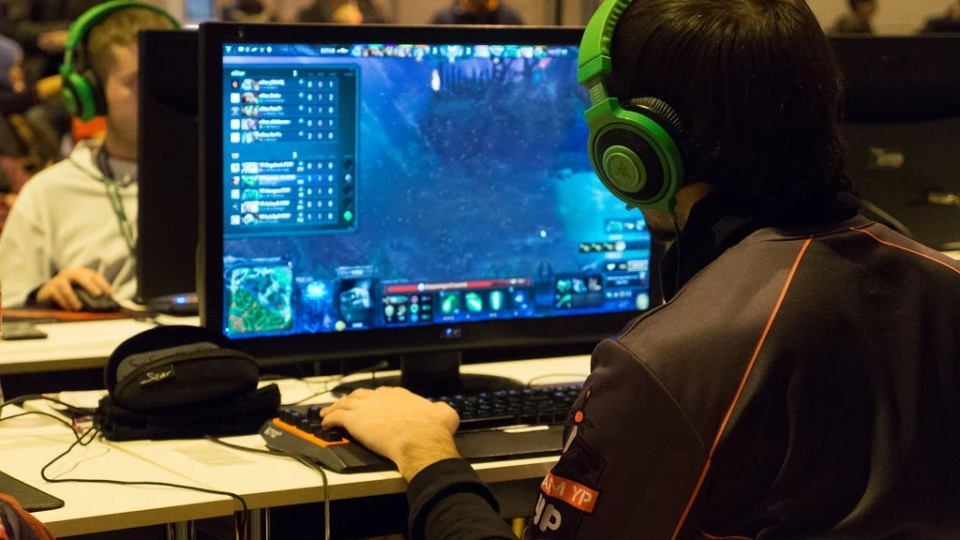
The Evolution of Online Gaming Names From Then to Now
Online gaming has changed dramatically over the past few decades. Graphics have become more realistic, internet speeds have improved, and gaming communities have expanded into global networks connecting millions of players. Alongside these developments, one often-overlooked aspect of gaming has undergone a fascinating transformation: online gaming names.
What began as simple usernames designed primarily for identification has evolved into a major part of gaming culture. Today’s gamertags serve as personal brands, social identities, and even business assets for streamers, content creators, and esports professionals.
Understanding how gaming names have evolved provides valuable insight into the growth of online gaming itself.
The Early Days of Online Gaming
In the early years of online gaming, usernames were often created out of necessity rather than creativity.
During the era of dial-up internet and early multiplayer games, players simply needed a unique identifier that allowed them to join servers and interact with others. Most gaming communities were relatively small, making it easier to secure straightforward usernames.
Common names during this period often included:
- Real first names
- Initials
- Birth years
- Simple nicknames
- Favorite hobbies
Examples might have looked like:
- Mike92
- GamerTom
- Alex007
- SoccerFan
- DragonGuy
At the time, originality wasn’t always the primary goal. Players simply wanted a name that worked.
The Rise of Clan Tags and Team Identity
As multiplayer gaming became more competitive, organized groups known as clans began emerging.
Games such as Counter-Strike, Quake, and Unreal Tournament encouraged team-based competition. Players started adding clan tags to their usernames to show affiliation with specific groups.
Examples included:
- [PRO]Shadow
- {ACE}Hunter
- [XG]Sniper
- Ghost
These tags helped establish team identity and allowed players to represent their communities during online matches.
For many gamers, their clan affiliation became just as important as their individual username.
The Era of Extreme Usernames
As gaming communities expanded, finding available usernames became more difficult.
This led to a period where players relied heavily on:
- Random numbers
- Special characters
- Alternative spellings
- Decorative symbols
Examples often looked like:
- xXDarkKillerXx
- Sn1p3rM4st3r
- Ghost_420
- XxLegend99xX
During the 2000s, these styles became extremely popular. Many gamers viewed them as creative and unique.
Although these names helped players secure available usernames, they often became difficult to read and remember.
Gaming Culture Influences Naming Trends
As gaming evolved, so did the sources of inspiration behind usernames.
Players began creating names based on:
- Popular games
- Movie characters
- Mythology
- Fantasy worlds
- Science fiction themes
Names inspired by dragons, warriors, assassins, and mythical creatures became widespread.
Examples included:
- ShadowDragon
- MysticKnight
- TitanSlayer
- PhantomMage
These usernames reflected players’ interests and helped them express their personalities within gaming communities.
Gaming names became more than identifiers—they became forms of self-expression.
The Growth of Competitive Gaming
The rise of esports significantly changed how players approached gamertags.
As professional gaming gained legitimacy, competitors began seeking names that appeared more professional and memorable.
Tournament broadcasts, livestreams, and sponsorship opportunities encouraged players to simplify their identities.
Successful competitive gamers often preferred names that were:
- Short
- Easy to pronounce
- Distinctive
- Brand-friendly
Examples included:
- Apex
- Pulse
- Vortex
- Nova
- Cipher
This shift marked the beginning of modern gaming branding.
Players started thinking about recognition rather than simply availability.
Streaming Changed Everything
The explosion of streaming platforms introduced a new challenge for gamers.
Names now needed to work across:
- Twitch
- YouTube
- Discord
- Social media
- Gaming platforms
A gamertag was no longer confined to a single game.
Content creators wanted names that viewers could easily remember and search online. Consistency became a major factor in username selection.
Many streamers began treating their gamertags like business brands.
A memorable name could contribute directly to audience growth and online visibility.
The Rise of Minimalist Usernames
In recent years, gaming username trends have shifted dramatically toward simplicity.
Many players now prefer clean, minimal names rather than complicated usernames filled with symbols and numbers.
Examples include:
- Drift
- Echo
- Flux
- Rogue
- Volt
Minimalist usernames offer several advantages:
- Easier recognition
- Better readability
- Professional appearance
- Stronger branding potential
This trend has become especially common among competitive players and content creators.
Aesthetic and Creative Naming Trends
Modern gamers are also exploring more artistic naming styles.
Rather than focusing solely on power and aggression, many players now choose names inspired by:
- Nature
- Space
- Emotions
- Visual imagery
- Abstract concepts
Examples include:
- LunarEcho
- VelvetStorm
- ArcticDream
- CrimsonOrbit
- SilentNova
These names create vivid mental images and help players stand out from traditional gaming stereotypes.
The popularity of aesthetic usernames reflects the growing diversity of gaming communities.
AI and Gamertag Generation
Technology has introduced entirely new methods for creating gaming names.
Instead of manually brainstorming ideas, players can now use specialized tools to generate usernames based on:
- Gaming styles
- Themes
- Personality traits
- Preferred words
AI-powered naming tools have made it easier than ever to discover unique combinations.
Platforms such as Gamertag.online help gamers explore modern naming trends while generating creative ideas that fit their individual preferences.
This technological shift has expanded the possibilities available to players searching for original identities.
The Future of Gaming Names
As gaming continues to evolve, username trends will likely evolve alongside it.
Future developments may include:
- AI-generated personalized identities
- Greater emphasis on branding
- Cross-platform username integration
- More creative naming conventions
- Enhanced digital identity systems
Regardless of technological changes, one thing remains certain: gaming names will continue serving as a central part of online identity.
Players will always seek names that reflect who they are, how they play, and how they want others to remember them.
Final Thoughts
The evolution of online gaming names mirrors the evolution of gaming itself. What started as simple identifiers has become an essential component of personal branding, community participation, and self-expression.
From basic usernames and clan tags to professional esports identities and modern minimalist gamertags, gaming names have continuously adapted to changing technologies and cultural trends.
Today, a gamertag is far more than a login credential. It is a player’s digital identity, personal brand, and reputation all rolled into one. As online gaming continues to grow, the importance of choosing the right gaming name will only become more significant for players around the world.








Leave a Reply