


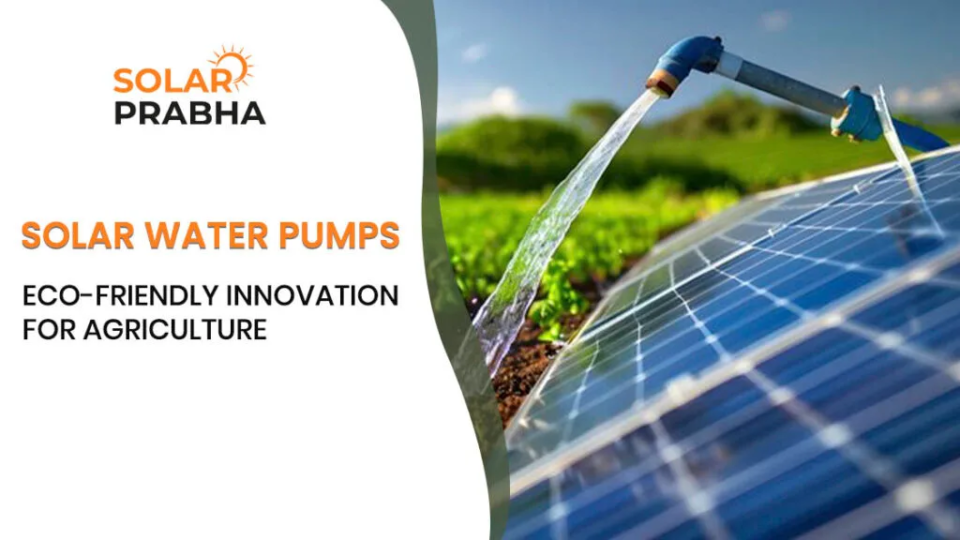
Solar Water Pumps: Reliable Water Supply Using Clean
Water is one of the most important resources for agriculture, livestock, and daily household activities. Farmers and rural communities depend on a steady water supply to support crops, animals, and their families. However, many areas still face challenges due to irregular electricity supply, high fuel costs, and limited access to reliable pumping systems.
In recent years, renewable energy technologies have become a practical solution to these problems. Among these innovations, solar water pumps have gained significant popularity because they provide a dependable and eco-friendly way to access water.
By using energy from the sun, these pumping systems help farmers and landowners reduce operating costs while ensuring a continuous water supply. As solar technology continues to improve, more people are choosing solar-powered pumping solutions for irrigation, drinking water, and various agricultural applications.
What Are Solar Water Pumps?
Solar water pumps are systems that use solar energy to pump water from sources such as wells, borewells, rivers, ponds, lakes, or storage tanks. Instead of relying on electricity from the grid or diesel generators, these pumps operate using power generated by solar panels.
The solar panels convert sunlight into electricity, which powers the motor connected to the pump. The pump then draws water and delivers it to the required location.
These systems are particularly useful in remote areas where electricity is unreliable or unavailable. Since sunlight is freely available in most regions, solar pumping systems provide a cost-effective and sustainable solution.
How Do Solar Water Pumps Work?
The working process of a solar water pump is simple and efficient:
- Solar panels capture sunlight.
- The panels convert solar energy into electrical energy.
- The generated electricity powers the motor.
- The motor operates the pump.
- Water is lifted from the source and transported to the desired location.
Some systems include controllers and monitoring devices that help improve efficiency and protect the pump from damage.
The entire process requires minimal human intervention, making operation easy and convenient.
Main Components of a Solar Water Pump System
A solar pumping system consists of several important components.
1. Solar Panels
Solar panels are responsible for converting sunlight into electricity. The number and size of panels depend on the pumping requirement.
2. Pump
The pump moves water from the source to the destination. Different types of pumps are used depending on water depth and volume requirements.
3. Motor
The motor receives electrical energy from the solar panels and drives the pump.
4. Controller
The controller regulates the flow of electricity and protects the system from voltage fluctuations and operational issues.
5. Pipes and Storage Tanks
These components transport and store water for future use.
Types of Solar Water Pumps
Different applications require different pumping solutions. The most common types include:
Surface Solar Pumps
Surface pumps are installed above the ground and are suitable for shallow water sources such as ponds, lakes, rivers, and tanks.
Advantages
- Easy installation
- Lower maintenance
- Suitable for shallow water applications
Submersible Solar Pumps
Submersible pumps are installed underwater, usually inside borewells or deep wells.
Advantages
- Suitable for deep water extraction
- High efficiency
- Longer operational life
AC Solar Pumps
These systems use alternating current motors and may include inverters.
DC Solar Pumps
These pumps operate directly using direct current from solar panels, resulting in higher energy efficiency.
Benefits of Solar Water Pumps
The growing popularity of solar-powered pumping systems is due to the numerous benefits they offer.
Reduced Operating Costs
One of the biggest advantages is the reduction in operating expenses. Since sunlight is free, users do not need to spend money on fuel or large electricity bills.
Environment-Friendly Solution
Solar-powered systems generate clean energy without producing harmful emissions. This helps reduce environmental pollution and supports sustainable development.
Reliable Water Supply
In areas where electricity outages are common, solar pumping systems continue to operate during sunny conditions, ensuring consistent water availability.
Low Maintenance Requirements
These systems have fewer moving parts compared to diesel-powered alternatives. As a result, maintenance needs are generally lower.
Long Service Life
Quality solar panels can last for more than 20 years, making them a long-term investment.
Energy Independence
Users become less dependent on external power sources, reducing the impact of rising fuel and electricity costs.
Applications of Solar Water Pumps
Solar pumping systems can be used across a wide range of sectors.
Agricultural Irrigation
Agriculture is one of the largest users of water. Solar-powered pumps help farmers irrigate crops efficiently while reducing operating expenses.
Drinking Water Supply
Many rural communities use solar pumps to provide clean drinking water.
Livestock Farming
Water is essential for animal care. Solar pumping systems ensure a steady supply for livestock operations.
Horticulture
Fruit farms, nurseries, and gardens can benefit from efficient solar-powered irrigation.
Fish Farming
Aquaculture facilities use solar pumping systems to maintain water circulation and water levels.
Community Water Projects
Government agencies and development organizations often install solar pumping systems in villages to improve access to water.
Why Farmers Prefer Solar Water Pumps
Farmers are increasingly adopting solar-powered pumping solutions because they address many common agricultural challenges.
Traditional irrigation methods often rely on diesel pumps or grid electricity. Diesel prices continue to rise, while electricity supply may be unreliable in rural areas.
Solar-powered systems eliminate fuel dependency and reduce long-term expenses. Farmers can irrigate fields without worrying about fuel shortages or power cuts.
Additionally, government support programs and subsidies have encouraged wider adoption of solar irrigation systems in many regions.
Economic Advantages of Solar Water Pumps
Investing in solar pumping technology provides several financial benefits.
Lower Fuel Expenses
Diesel pumps require regular fuel purchases, which can become expensive over time. Solar energy eliminates this recurring cost.
Reduced Electricity Bills
Solar-powered systems generate their own electricity, helping users save money every month.
Increased Agricultural Productivity
Reliable irrigation helps farmers maintain healthy crops and improve yields.
Better Return on Investment
Although the initial installation cost may be higher, long-term savings often compensate for the investment.
Environmental Benefits
Solar energy is one of the cleanest energy sources available today.
Reduced Carbon Emissions
Solar-powered pumps do not burn fossil fuels, helping reduce greenhouse gas emissions.
Conservation of Natural Resources
Using renewable energy reduces dependence on non-renewable resources such as coal, oil, and natural gas.
Sustainable Farming Practices
Solar-powered irrigation supports environmentally responsible agriculture.
Reduced Noise Pollution
Unlike diesel generators, solar pumping systems operate quietly.
Factors to Consider Before Installing a Solar Water Pump
Choosing the right system requires careful planning.
Water Requirement
Determine how much water is needed daily.
Water Source Depth
The depth of the water source affects pump selection.
Solar Radiation Availability
Areas with strong sunlight generally achieve better system performance.
Pump Capacity
Select a pump that matches the required flow rate and pressure.
Budget
Consider installation costs, maintenance expenses, and long-term savings.
Future Expansion
Choose a system that can accommodate future water demand increases.
Maintenance Tips for Solar Water Pumps
Regular maintenance helps maximize efficiency and lifespan.
Clean Solar Panels
Dust and dirt can reduce energy production. Panels should be cleaned regularly.
Inspect Electrical Connections
Check wiring and connections to ensure safe operation.
Monitor Pump Performance
Observe water flow rates and system efficiency.
Check Pipes and Valves
Look for leaks or blockages that may affect performance.
Schedule Professional Inspections
Periodic inspections can help identify potential issues before they become major problems.
Common Challenges and Solutions
Although solar pumping systems are highly reliable, some challenges may occur.
Limited Operation During Cloudy Weather
Reduced sunlight can affect performance. Proper system design and water storage tanks help address this issue.
Initial Investment Cost
The upfront cost may seem high. However, long-term savings often justify the investment.
Improper System Sizing
Selecting the wrong pump size can reduce efficiency. Professional assessment helps ensure optimal performance.
Dust Accumulation on Panels
Routine cleaning keeps the system operating efficiently.
Future of Solar Water Pump Technology
Solar pumping technology continues to evolve rapidly. Improvements in solar panel efficiency, smart monitoring systems, and energy storage solutions are making these systems even more effective.
Future developments may include advanced automation features, remote monitoring capabilities, and higher-performance pumping technologies.
As renewable energy adoption increases worldwide, solar-powered water systems are expected to play a major role in agriculture, rural development, and sustainable water management.
Conclusion
Solar water pumping technology offers a reliable, cost-effective, and environmentally friendly solution for meeting water needs across agricultural, residential, and community applications. By utilizing clean energy from the sun, these systems help reduce operating costs, improve water accessibility, and support sustainable development.
As the demand for efficient irrigation and water management continues to grow, solar water pumps will remain an important technology for farmers, businesses, and rural communities. Organizations like Solar Prabha are contributing to the adoption of clean energy solutions that support reliable water supply while promoting a greener and more sustainable future.

Leave a Reply