


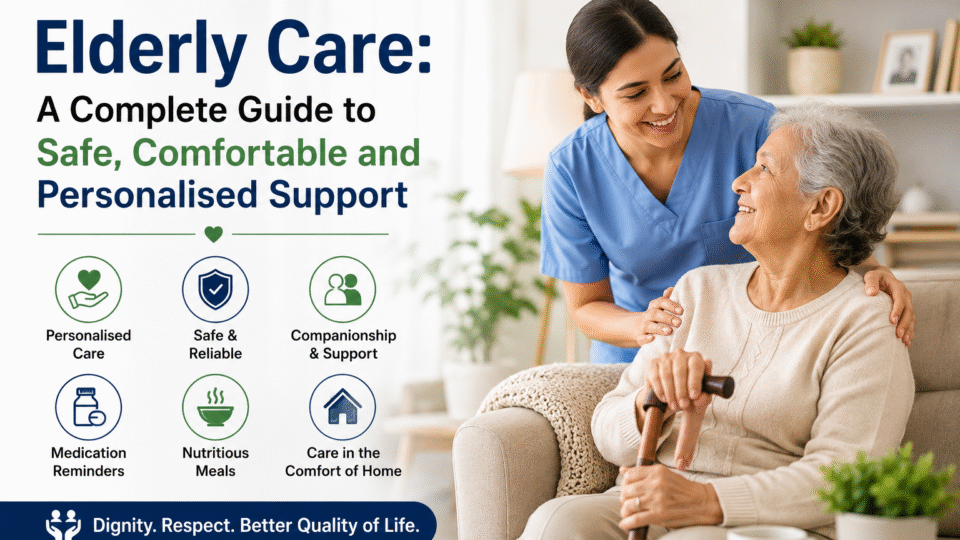
Elderly Care: Safe & Personalised Support
As people get older, everyday tasks that once felt simple can sometimes become more difficult. Getting around the house, managing medicines, preparing meals, attending appointments, or simply having someone nearby can make a meaningful difference. Good Elderly Care is not only about helping with daily needs; it is about protecting independence, dignity, comfort, and quality of life.
The World Health Organization (WHO) describes healthy ageing around maintaining the functional ability that allows older adults to live well and do the things that matter to them. This means care should be centred around the individual rather than treating every older person in exactly the same way.
What Is Elderly Care?
Elderly care refers to the medical, personal, emotional, and practical support provided to older adults. The level of assistance can vary considerably depending on a person’s health, mobility, lifestyle, and family circumstances.
Some older adults may only need occasional help with household activities, while others may require regular assistance with personal care, medication routines, mobility, or ongoing health needs.
A suitable care plan may include:
- Assistance with bathing, dressing, and grooming
- Meal preparation and healthy eating support
- Medication reminders
- Mobility and daily activity assistance
- Doctor appointment support
- Basic health monitoring
- Companionship and social interaction
- Post-hospital or recovery support
- Help with household routines
The right approach should always take the person’s preferences and level of independence into account.
Why Personalised Care Matters
There is no single care plan that works for every older adult. Someone who is physically active but lives alone may need very different support from someone recovering from an illness or managing several long-term health conditions.
Personalised care allows families and healthcare professionals to identify what support is actually required. WHO’s 2025 guidance on integrated care for older people highlights the importance of person-centred assessment and developing personalised care plans based on an individual’s needs.
This can also help prevent unnecessary dependence. When an older person can safely perform a task independently, the goal should generally be to support that ability rather than take it away.
When Should You Consider Elderly Care?
Families sometimes wait until a situation becomes difficult before arranging professional support. However, recognising early changes can make the transition much easier.
You may want to consider additional care if an older family member:
- Frequently forgets important appointments or medicines
- Has difficulty walking or moving safely
- Struggles with personal hygiene
- Has recently returned home after hospital treatment
- Finds meal preparation increasingly difficult
- Lives alone and feels isolated
- Needs regular health monitoring
- Has difficulty managing everyday household tasks
A professional assessment can help determine whether occasional assistance, regular home support, or more comprehensive care is appropriate.
Benefits of Elderly Care at Home
For many families, receiving appropriate support at home can be a comfortable option. Familiar surroundings may allow an older adult to maintain established routines while receiving help where it is needed.
Home-based support can also make things easier for family members who cannot be available throughout the day because of work, travel, or other responsibilities.
In Dubai, home healthcare has received increased attention from health authorities. The Dubai Health Authority introduced updated standards for home healthcare services in 2025, and it also launched the Enaya homecare initiative for senior citizens to expand healthcare support in their homes.
Supporting Physical and Emotional Well-Being
Good care involves more than physical assistance. Social connection and emotional well-being are equally important.
Loneliness and social isolation can affect the mental health of older adults. WHO’s 2026 information on older-adult mental health highlights social connection, physical activity, healthy eating, and supportive environments as important parts of healthy ageing.
Simple activities can make a difference, such as having a conversation, going for a safe walk, enjoying a hobby, reading together, or staying connected with friends and relatives.
How to Choose the Right Elderly Care Service
Choosing a care provider is an important decision, so avoid making the choice based only on price.
Before arranging care, ask:
- Are the caregivers properly trained and qualified?
- Can the service be adjusted according to the person’s needs?
- What happens if the regular caregiver is unavailable?
- How are care plans and progress monitored?
- Can the provider coordinate with doctors when necessary?
- Are services available at the required times?
- Is there a clear process for communicating concerns with family members?
For healthcare services in Dubai, it is also sensible to check that the provider operates according to applicable local healthcare requirements. DHA has published specific standards for home healthcare services and long-term care services.
Give Your Loved One the Support They Deserve
Finding suitable Elderly Care does not mean taking away an older person’s independence. The right support can actually help them remain comfortable, active, and involved in everyday life while giving family members greater peace of mind.
If your loved one is beginning to struggle with daily activities or needs additional support at home, now is a good time to discuss their care needs with a qualified healthcare professional. A proper assessment can help you choose a safe and personalised plan instead of waiting for a problem to become an emergency.
Frequently Asked Questions
What does Elderly Care usually include?
It can include personal assistance, medication reminders, meal support, mobility assistance, companionship, health monitoring, and other services depending on individual needs.
Is elderly care available at home?
Yes. Home-based care can provide appropriate medical and personal support while allowing an older adult to remain in familiar surroundings.
How do I know if my parent needs professional care?
Changes in mobility, hygiene, medication management, eating habits, memory, or the ability to manage everyday activities may indicate that additional support is worth considering.
Can elderly care help with recovery after hospitalisation?
Yes. Depending on the person’s condition and the service available, home support may assist with daily activities and recovery after discharge. Medical needs should be assessed by an appropriate healthcare professional.
What is the most important factor when choosing elderly care?
Safety and suitability should come first. Look for trained professionals, personalised care, clear communication, appropriate supervision, and services that match the individual’s needs.

Leave a Reply