


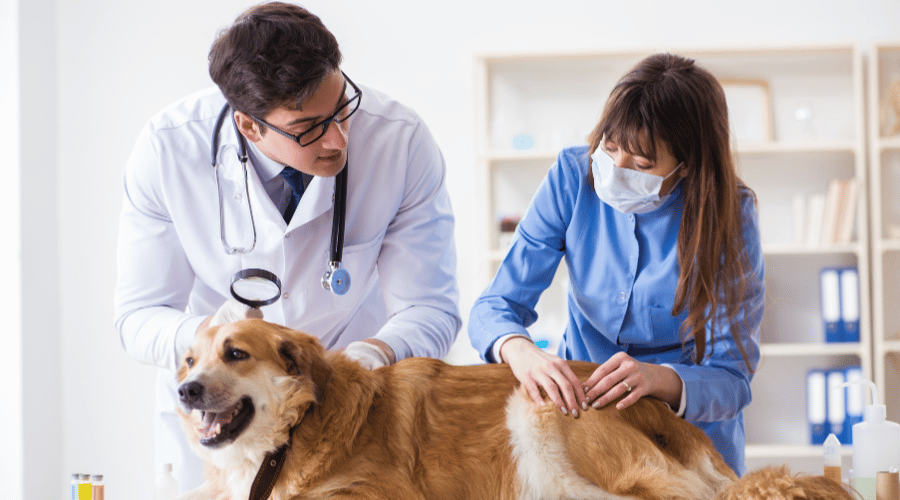
Animal Health Market Size, Trends & Growth Forecast
The animal health market has evolved from a treatment-focused industry into a broader healthcare ecosystem covering prevention, diagnosis, therapeutics, nutrition and long-term disease management. It plays a critical role in protecting livestock productivity, supporting food security, improving companion animal wellbeing and reducing the risks associated with infectious and zoonotic diseases.
The global animal health market attained a value of approximately USD 63.03 billion in 2025 and is projected to grow at a CAGR of 6.40% between 2026 and 2035, reaching around USD 117.21 billion by 2035. Growth is being supported by rising pet ownership, increasing expenditure on veterinary care, expanding livestock production, greater emphasis on disease prevention and advances in animal diagnostics.
The market is also becoming more technology-driven. Veterinary practices and livestock producers are increasingly using diagnostic testing, digital monitoring and data-based disease management alongside conventional vaccines and pharmaceuticals. This shift is strengthening the industry’s role in both animal welfare and the wider One Health framework, where animal, human and environmental health are closely connected.
Animal Health Market Growth and Industry Fundamentals
The animal health market is expanding because healthy animals are essential to both food production and household wellbeing. Preventing disease can reduce livestock losses and improve productivity, while advances in companion animal medicine are encouraging owners to invest more in preventive and specialized care.
For commercial animals, health management directly influences productivity. Disease can reduce growth rates, milk or egg production, fertility and survival while increasing veterinary and operational costs. In large poultry, swine and cattle operations, even a relatively small reduction in disease incidence can have substantial economic value.
This makes prevention particularly attractive. Vaccination, parasite control, nutrition, biosecurity and regular health monitoring can reduce the probability and severity of disease outbreaks. Producers are consequently treating animal health programs as part of their overall production strategy rather than as a separate veterinary expense.
The public-health dimension is equally significant. Certain animal diseases can affect food safety or spread between animals and humans. The World Organisation for Animal Health (WOAH) promotes the One Health approach, recognizing the interconnection between animal, human and environmental health. This is particularly relevant to zoonotic diseases and antimicrobial resistance.
Disease surveillance is therefore becoming an important component of the market. In the United States, USDA APHIS operates animal health surveillance programs designed to detect diseases, monitor emerging threats and support decisions related to animal health, public health and food safety.
These trends are creating demand across pharmaceuticals, vaccines, diagnostics and veterinary services. They are also encouraging closer integration between manufacturers, veterinary clinics, laboratories, livestock producers and public authorities.
Commercial Livestock and Companion Animals Fuel Demand
Commercial animals and companion animals represent two distinct but complementary growth engines. Livestock health is closely connected with productivity and food security, while companion animal care is benefiting from the growing tendency to treat pets as family members and invest in their long-term wellbeing.
Within commercial animal health, poultry, swine, cattle, sheep and goats each have different disease-management requirements. Poultry producers, for example, need highly coordinated vaccination and biosecurity programs because infectious diseases can spread quickly through densely populated flocks.
Swine producers face similar challenges, particularly because disease outbreaks can affect herd performance and international trade. Cattle health encompasses respiratory, reproductive, metabolic and parasitic conditions, while sheep and goats require strong parasite control and infectious-disease management.
The scale of commercial agriculture makes prevention economically compelling. A pharmaceutical treatment may help one sick animal, but a successful vaccination or biosecurity program can protect an entire herd or flock. This population-level benefit is one reason preventive animal health products remain a core market opportunity.
Companion animal healthcare follows a different model. Dogs and cats are increasingly receiving regular vaccinations, parasite prevention, diagnostic testing, dental care, chronic-disease management and specialized treatments. Pet owners are also becoming more informed about preventive healthcare and are often willing to spend more to extend the quality and length of an animal’s life.
The growth of advanced veterinary medicine is expanding this market further. Diagnostic imaging, laboratory testing, specialized surgery and long-term management of chronic diseases are becoming more accessible to companion animal owners.
Antimicrobial stewardship is also relevant to this segment. WOAH has identified antimicrobial resistance in companion animals as an important One Health issue because of the close interactions between pets and humans. This reinforces the importance of appropriate diagnosis and responsible treatment.
Vaccines, Pharmaceuticals and Diagnostics Transform Product Demand
Vaccines, pharmaceuticals and diagnostics remain the central product categories in animal health, but their roles are increasingly interconnected. Vaccines prevent disease, pharmaceuticals treat health conditions, and diagnostics provide the information needed to determine what intervention is appropriate.
Animal vaccines are particularly valuable because they can protect individual animals and reduce disease transmission across populations. Vaccination is widely used in livestock and poultry production as well as companion animal care.
WOAH’s State of the World’s Animal Health 2025 report emphasizes vaccination as an important tool for controlling priority animal diseases and strengthening global animal health systems.
Pharmaceuticals cover a wide range of veterinary needs, including anti-infectives, anti-inflammatory medicines, pain management products, reproductive-health treatments and therapies for chronic conditions. Parasiticides are especially important in companion animal care, where routine protection against fleas, ticks and worms has become common.
However, antimicrobial resistance is changing the way veterinary pharmaceuticals are developed and used. The U.S. Food and Drug Administration has implemented antimicrobial stewardship initiatives aimed at promoting appropriate use while maintaining access to medically important treatments.
Diagnostics are becoming increasingly strategic because they allow veterinarians to make more informed treatment decisions. Molecular testing, laboratory diagnostics and point-of-care testing can help distinguish infectious diseases from other conditions and reduce the need for empirical treatment.
Zoetis, one of the industry’s major companies, maintains a portfolio spanning vaccines, medicines, parasiticides and diagnostics. This illustrates a broader industry trend toward integrated animal health portfolios rather than reliance on a single product category.
Feed additives represent another important area, particularly in commercial livestock production. Nutritional interventions can support gut health, productivity and overall animal wellbeing, although regulatory requirements and market preferences increasingly favor products with clearly demonstrated health benefits.
Digital Diagnostics and Data-Driven Veterinary Care
Technology is changing animal healthcare by making disease detection faster, more precise and increasingly data-driven. Diagnostic laboratories, point-of-care testing, monitoring technologies and digital platforms are helping veterinarians and producers identify health problems earlier.
Traditional veterinary diagnosis often depended on clinical observation followed by laboratory confirmation. Modern systems can combine clinical signs with laboratory results, imaging, historical records and epidemiological information.
For livestock producers, data from cameras, sensors and farm-management platforms can provide additional information about animal movement, feeding, temperature, reproduction and behavior. Changes in these indicators may provide an early warning of illness before visible symptoms become widespread.
Surveillance is particularly important during infectious disease outbreaks. USDA APHIS maintains national surveillance programs across livestock and poultry populations to detect important diseases and monitor changes in disease patterns.
In companion animal medicine, diagnostic companies such as IDEXX Laboratories have expanded access to laboratory and point-of-care testing. Faster results can help veterinarians make treatment decisions while reducing the uncertainty associated with treating symptoms without identifying their underlying cause.
The commercial opportunity lies increasingly in connecting diagnostic results with actionable information. A test can identify a pathogen, but a digital platform can potentially combine that result with medical records, treatment recommendations, surveillance information and follow-up monitoring.
Artificial intelligence and machine learning may further strengthen this model by identifying patterns across large datasets. These tools are unlikely to replace veterinarians, but they can support clinical decision-making, triage and population-level disease surveillance.
Prevention and Antimicrobial Stewardship Reshape the Industry
The market is increasingly moving toward prevention because preventing disease is often more economical and sustainable than treating severe illness after it develops. Vaccination, biosecurity, diagnostics, nutrition and targeted therapies are therefore becoming interconnected parts of animal health programs.
Antimicrobial resistance is one of the strongest forces behind this transition. Excessive or inappropriate antimicrobial use can contribute to resistance, potentially reducing the effectiveness of medicines that are important for treating bacterial infections.
WOAH promotes responsible antimicrobial use alongside disease prevention, surveillance and improved veterinary practices. The FDA has also developed policies and guidance designed to encourage more responsible use of medically important antimicrobials in animals.
This trend does not reduce the importance of pharmaceuticals. Instead, it favors more targeted treatment. Better diagnostics can help determine whether an antimicrobial is necessary, while vaccination and biosecurity can reduce the number of infections requiring treatment.
Surveillance also matters because antimicrobial resistance cannot be managed effectively without reliable information. Integrated monitoring of antimicrobial use and resistance can help governments, veterinarians and producers identify where intervention is most needed.
For animal health companies, the result is a growing opportunity for next-generation vaccines, rapid diagnostics, immune-support products and non-antibiotic disease-management solutions. Products that demonstrate measurable improvements in health outcomes and responsible use are likely to become increasingly attractive to customers and regulators.
Regional Market Dynamics and Growth Opportunities
North America and Europe remain mature animal health markets, while Asia Pacific is positioned as an important growth region because of its livestock population, expanding veterinary infrastructure and increasing demand for animal protein and companion animal services.
North America benefits from sophisticated veterinary networks, established pharmaceutical companies and high levels of companion animal spending. The United States also has extensive public surveillance infrastructure, with USDA APHIS operating programs that monitor livestock and poultry diseases.
Europe combines a large livestock sector with strong veterinary standards and a mature companion animal market. Regulatory attention to antimicrobial stewardship, animal welfare and food safety is influencing purchasing decisions and product development.
Asia Pacific offers substantial long-term growth potential. Urbanization, rising incomes, changing diets, expanding livestock production and increasing pet ownership are broadening demand for veterinary products. Large poultry and swine industries also create strong incentives for disease prevention because outbreaks can affect domestic supply and international trade.
Latin America has an important role in global meat and poultry production. Brazil and other agricultural economies require advanced animal health systems to protect large-scale production and maintain access to international markets. Vaccination, parasite control, diagnostics and herd health programs are therefore important areas of demand.
The Middle East and Africa present a more varied picture. Livestock development, food-security initiatives and improving veterinary services create opportunities, but infrastructure limitations, affordability and uneven access to veterinary professionals can constrain adoption.
Across regions, market performance depends on more than animal populations. Veterinary capacity, producer economics, regulation, disease prevalence, laboratory infrastructure and access to medicines all influence the pace of adoption.
Competitive Landscape and Leading Animal Health Companies
The animal health industry includes large multinational pharmaceutical companies, specialized vaccine developers, diagnostics providers and regional manufacturers. Competition increasingly centers on scientific innovation, product portfolios, regulatory capabilities, distribution networks and the ability to provide integrated health solutions.
The companies covered in the supplied market scope include Elanco Animal Health Incorporated, Merck Animal Health, Zoetis Inc., Biogenesis Bago, Boehringer Ingelheim International GmbH, Ceva Sante Animale, Heska Corporation, IDEXX Laboratories, Inc., Virbac S.A. and Vetoquinol SA, among others.
Zoetis has developed one of the industry’s broadest portfolios, spanning vaccines, medicines, parasiticides and diagnostics. Its combination of livestock and companion animal products illustrates the importance of diversification within the modern animal health market.
Elanco, Merck Animal Health and Boehringer Ingelheim also operate across multiple categories and animal segments, giving them significant research, manufacturing and distribution capabilities. Companies such as Ceva, Virbac and Vetoquinol have strengthened their positions through specialized products and international veterinary networks.
Diagnostics provide another important competitive dimension. IDEXX Laboratories has established a strong position in veterinary diagnostics and laboratory services, reflecting the increasing importance of testing in clinical decision-making.
The competitive landscape is consequently becoming broader than traditional pharmaceutical competition. Companies are increasingly seeking to combine prevention, diagnosis, treatment and ongoing monitoring. Strategic partnerships, acquisitions and technology investments can help businesses expand geographic reach while strengthening their product pipelines.
Market Challenges and the Long-Term Outlook
The animal health market has strong structural growth drivers, but the industry must manage disease outbreaks, regulatory complexity, antimicrobial resistance, affordability, product-development costs and uneven access to veterinary care.
Disease outbreaks can produce urgent demand for vaccines and diagnostics while simultaneously disrupting livestock production, trade and supply chains. Preparedness is therefore becoming an important component of national animal health strategies.
Regulatory requirements also influence the pace and cost of innovation. Veterinary medicines and vaccines must demonstrate safety, quality and effectiveness, while antimicrobial stewardship is creating additional requirements around how certain products are used and marketed.
Access remains a major challenge in emerging markets. A sophisticated vaccine or diagnostic has limited impact when veterinary professionals, laboratory facilities, cold-chain infrastructure or financial resources are unavailable. Local manufacturing, distribution partnerships and practical product design can therefore be important competitive advantages.
Looking forward, the strongest opportunities are likely to emerge from preventive healthcare, next-generation vaccines, rapid diagnostics, targeted therapeutics, parasite control and data-enabled veterinary services. Companion animal medicine should continue benefiting from increased spending on pet wellbeing, while commercial animal health will remain closely connected to food security and agricultural productivity.
Based on the market estimate provided for this analysis, the global animal health market is expected to increase from USD 63.03 billion in 2025 to approximately USD 117.21 billion by 2035, representing a CAGR of 6.40% during 2026–2035.
The industry’s future will ultimately depend on its ability to improve animal outcomes while addressing wider public-health priorities. The One Health approach is becoming increasingly relevant because animal disease, human health, food security and environmental conditions are interconnected.
Animal health is therefore evolving into a prevention- and data-driven healthcare ecosystem rather than remaining primarily a treatment market. Companies that can combine effective pharmaceuticals and vaccines with diagnostics, surveillance, digital technologies and responsible-use strategies will be best positioned to capture future growth while delivering practical value to veterinarians, livestock producers, pet owners and public-health systems.

Leave a Reply