


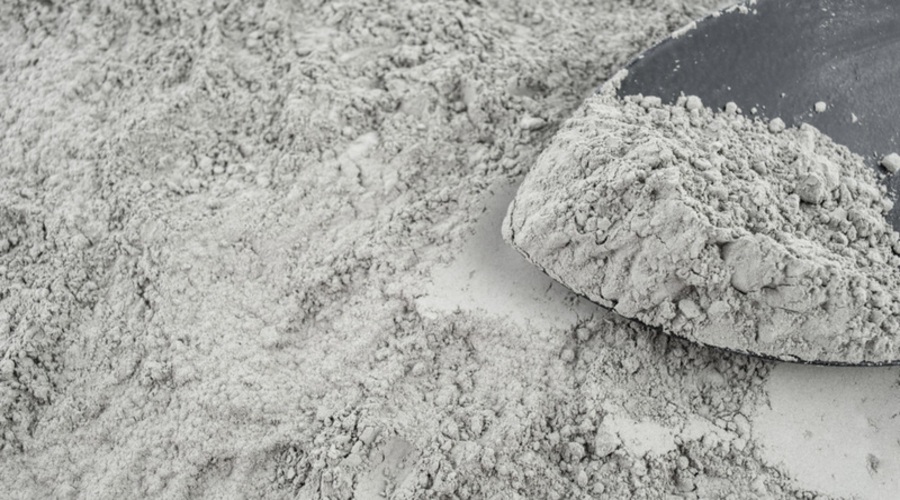
Construction Materials & Cement Price in Pakistan 2026
Planning a construction project in Pakistan has never been simple. Prices shift frequently, supply chains fluctuate, and regional differences can significantly impact your budget. Whether you’re building a home, managing a commercial project, or investing in real estate, understanding construction and building materials is essential for making informed decisions.
This guide gives you a clear, updated overview of the cement price in Pakistan, overall building materials price in Pakistan, and what to expect when calculating construction cost Pakistan 2026.
Understanding the Construction Market in Pakistan
Pakistan’s construction sector continues to grow, driven by urban expansion, housing demand, and infrastructure projects. However, inflation, fuel costs, and import dependencies have made pricing less predictable.
In 2026, builders are more cautious. Instead of relying on outdated estimates, they focus on real-time market trends. This shift has made it crucial to stay updated on material costs before starting any project.
Cement Price in Pakistan 2026
Cement remains the backbone of all construction work. It directly impacts both structural strength and overall cost.
In 2026, the cement price in Pakistan varies depending on brand, region, and transportation costs. On average, prices fall within this range:
- Ordinary Portland Cement (OPC): PKR 1,350 – PKR 1,550 per bag
- Sulphate Resistant Cement (SRC): PKR 1,500 – PKR 1,700 per bag
Prices are generally higher in northern areas due to transportation costs, while cities near manufacturing plants may see slightly lower rates.
Factors affecting cement prices include:
- Rising energy costs (coal and electricity)
- Transportation fuel prices
- Demand from mega construction projects
- Seasonal demand fluctuations
For better budgeting, always confirm local rates before purchasing in bulk.
Building Materials Price in Pakistan
Beyond cement, several other materials significantly influence project costs. Here’s a breakdown of the most commonly used materials in 2026:
1. Bricks
Bricks are widely used in Pakistan due to their durability and affordability.
- Standard bricks: PKR 14,000 – PKR 18,000 per 1,000 bricks
Prices depend on kiln location and quality. A-grade bricks cost more but provide better strength and finishing.
2. Sand (Rait)
Sand is used in plastering, masonry, and concrete mixing.
- Ravi sand: PKR 40 – PKR 55 per cubic foot
- Chenab sand: PKR 55 – PKR 75 per cubic foot
Chenab sand is preferred for higher quality construction due to its finer texture.
3. Crush (Bajri)
Crush is essential for concrete strength.
- Sargodha crush: PKR 120 – PKR 150 per cubic foot
- Margalla crush: PKR 140 – PKR 170 per cubic foot
Margalla crush is considered premium due to its strength and consistency.
4. Steel (Saria)
Steel is one of the most volatile materials in terms of pricing.
- Steel bars (Grade 60): PKR 270 – PKR 320 per kg
Steel prices fluctuate due to international market trends, currency exchange rates, and local demand.
5. Electrical and Plumbing Materials
These are often underestimated but can add a significant portion to your budget.
- Electrical wiring, switches, and fittings vary widely based on brand
- Plumbing materials depend on pipe type (PPRC, PVC, etc.)
Construction Cost Pakistan 2026
Estimating the total construction cost Pakistan 2026 depends on multiple factors including location, design, material quality, and labor.
Here’s a general idea:
Grey Structure Cost
This includes foundation, walls, roofing, and basic structure.
- PKR 2,800 – PKR 3,500 per square foot
Finishing Cost
Includes flooring, paint, fixtures, woodwork, and fittings.
- PKR 2,500 – PKR 4,000 per square foot
Total Construction Cost
- Standard quality: PKR 5,300 – PKR 7,500 per square foot
- Premium quality: PKR 7,500+ per square foot
These are estimated averages. Actual costs may vary depending on your choices and market conditions.
Key Factors That Influence Material Prices
Understanding why prices change helps you plan better. Here are the main drivers:
1. Fuel and Transportation
Most materials are transported across cities. Rising diesel prices directly impact costs.
2. Inflation
General economic inflation increases production and labor costs.
3. Demand and Supply
High demand during peak construction seasons can push prices up.
4. Government Policies
Taxes, import duties, and subsidies can affect pricing trends.
Tips to Manage Construction Costs in 2026
Staying within budget requires planning and smart decision-making. Here are practical tips:
- Buy materials in bulk when prices are stable
- Compare rates from multiple suppliers
- Avoid peak construction seasons if possible
- Work with experienced contractors
- Keep a contingency budget of at least 10–15%
Small decisions can make a big difference in overall spending.
Why Staying Updated Matters
Many people rely on outdated price lists, which leads to budgeting errors. In a market like Pakistan, where prices can shift within weeks, staying updated is not optional.
Regularly checking cement price in Pakistan and other material rates helps you:
- Avoid unexpected expenses
- Plan purchases strategically
- Negotiate better with suppliers
Final Thoughts
Construction in Pakistan is evolving, and so are the challenges that come with it. From fluctuating cement price in Pakistan to changing building materials price in Pakistan, every element plays a role in shaping your total budget.
If you’re planning a project in 2026, the key is preparation. Understand the market, track price trends, and make informed choices. A well-planned project not only saves money but also ensures better quality and long-term durability.
In the end, successful construction isn’t just about bricks and cement. It’s about making smart decisions at every stage, especially when calculating your construction cost Pakistan 2026.

Leave a Reply