


Dental Implant Aftercare: How to Protect Your New Smile
Dental implants are one of the most reliable and long-lasting tooth replacement options available today. They are designed to look, feel, and function like natural teeth. But a successful implant is not just about the placement procedure. What you do during healing and how you care for the implant long-term plays an equally important role in the outcome.
Proper dental implant aftercare protects the surgical site while it heals, supports the integration of the implant with the jawbone, and helps your implant last for many years to come. If you are considering Dental implants in Goldsboro, NC, understanding proper aftercare can help you protect your investment and support a healthy, lasting smile.
This guide covers everything you need to know, from the first few days after surgery through long-term maintenance.
What Happens After Dental Implant Surgery?
Recovery after implant surgery happens in two main phases.
Initial Healing
In the first days and weeks after surgery, the surgical site heals and any swelling or discomfort gradually settles. This is the period where following your dentist’s specific post-operative instructions matters most. Every patient heals differently, so individual guidance from your dental team takes priority over any general advice.
Osseointegration
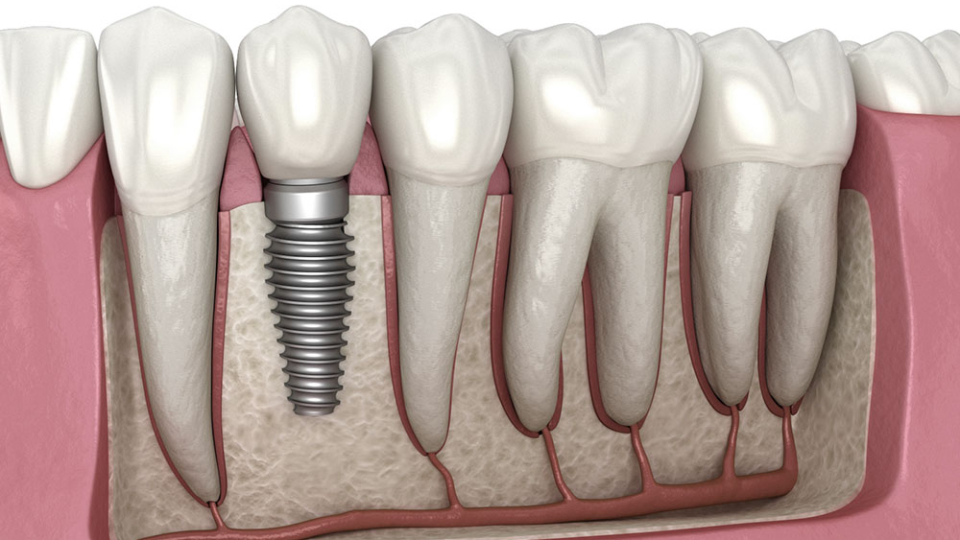
Over the following months, the implant post gradually fuses with the surrounding jawbone through a process called osseointegration. According to EverSmile Dental, this process typically takes three to six months. During this period, the implant becomes stable and anchored into position. Protecting it from unnecessary pressure or disruption during this time is essential to long-term success.
Dental Implant Aftercare: What to Do in the First Few Days
The first few days after surgery set the foundation for healthy healing. Here is what to focus on.
Protect the Surgical Site
Avoid touching or disturbing the implant area unnecessarily. Do not probe the area with your tongue or fingers. Follow your dentist’s specific instructions about rinsing and any gentle cleaning around the site.
Manage Swelling and Discomfort
Some swelling and soreness after dental implant surgery is completely normal. Take any prescribed or recommended medication as directed. If your dentist has recommended a cold compress, apply it to the outside of the cheek in the first 24 hours to help reduce swelling.
Rest and Avoid Strenuous Activity
Give your body the time it needs to begin healing. Avoid heavy exercise or physical exertion in the first few days, as increased blood flow can affect the surgical site. Your dentist will advise you on when it is safe to return to normal activity.
Follow Your Dentist’s Instructions
Individual recovery varies from patient to patient. The instructions provided by your dental team are specific to your procedure and your health history. Always follow their guidance rather than relying solely on general advice found online.
What Should You Eat After Dental Implant Surgery?
Your diet during the early healing period can directly affect how well the surgical site recovers.
Recommended Foods
Stick to soft, easy-to-eat options during the first week or two. Good choices include:
- Yogurt and soft dairy products
- Scrambled eggs
- Mashed potatoes and soft vegetables
- Smoothies and soups without hard pieces
- Soft fish or tender cooked proteins
Foods to Avoid
During the early healing phase, avoid anything that could put pressure on or irritate the surgical site:
- Hard or crunchy foods such as nuts, chips, or raw vegetables
- Very chewy foods like tough meats or chewy breads
- Extremely hot foods or drinks that may cause discomfort
- Foods that require heavy biting force on the implant side
Hydration
Drink plenty of water throughout the day. Staying hydrated supports healing and helps keep the mouth clean. Follow any specific recommendations from your dentist regarding what to avoid drinking during the initial recovery period.
How to Clean and Care for Dental Implants
Keeping your implant and the surrounding tissue clean is one of the most important parts of both short-term recovery and long-term dental implant maintenance.
Brush Your Teeth Regularly
Dental implants require regular brushing, just like natural teeth. Use a soft-bristled toothbrush and a non-abrasive toothpaste. During the early healing period, follow your dentist’s specific instructions about how to clean around the surgical area without disturbing it.
Clean Between Your Teeth
Flossing or using interdental brushes to clean between teeth and around the implant is important for keeping the gumline healthy. Your dentist may recommend specific floss designed for implants or a water flosser to make cleaning easier and more effective.
Keep the Gumline Clean
Plaque that builds up around an implant can lead to a condition called peri-implantitis, which is an inflammation of the tissue around the implant. Keeping the gumline clean reduces this risk. Avoid aggressive scrubbing around a healing surgical site and follow the gentle technique your dentist recommends.
Follow Professional Cleaning Recommendations
EverSmile Dental recommends regular professional cleanings and exams as a core part of implant maintenance. Professional visits allow the dental team to monitor the implant, check the surrounding gum tissue, and remove any buildup that home care cannot address.
Habits That Can Damage or Compromise Dental Implants
Certain habits can increase the risk of complications or affect how well the implant integrates and functions over time.
- Smoking and tobacco use can significantly affect healing and may compromise the long-term stability of the implant
- Chewing on hard objects such as ice, pens, or hard candy can put damaging pressure on the implant and restoration
- Poor oral hygiene allows bacteria to accumulate around the implant, increasing the risk of gum infection
- Ignoring gum inflammation or unusual symptoms rather than contacting your dentist promptly
- Skipping dental appointments, which allows potential problems to go undetected
- Delaying treatment when something feels off or different around the implant area
EverSmile Dental specifically advises patients to avoid smoking and chewing hard objects and to maintain regular dental visits as part of implant care.
Signs You Should Contact Your Dentist After Implant Surgery
Some discomfort after dental implant surgery is expected. But certain symptoms indicate that something may need attention.
Contact your dentist if you notice:
- Pain or swelling that is worsening rather than gradually improving
- Significant or persistent bleeding from the surgical site
- Pus or unusual discharge around the implant
- Persistent redness or inflammation in the gum tissue
- Fever or a general feeling of being unwell
- The implant or the crown restoration feeling loose
- Difficulty chewing that does not improve over time
When to Call Your Dentist: Contact your dental team if symptoms are worsening instead of improving, if you notice signs of infection, or if the implant or restoration feels loose or unstable. Early evaluation is always better than waiting.
Long-Term Dental Implant Maintenance
Once healing is complete, caring for your implant becomes a straightforward part of your daily oral hygiene routine.
- Brush twice daily with a soft-bristled toothbrush
- Clean between teeth and around the implant daily using floss or an interdental brush
- Maintain healthy gums by keeping the gumline free of plaque buildup
- Avoid smoking, which can affect gum health and implant stability over time
- Do not use your implant to bite excessively hard or non-food objects
- Attend regular dental examinations and professional cleanings as recommended
- Follow any personalised maintenance plan provided by your dental team
How Long Can Dental Implants Last?
According to EverSmile Dental, dental implants can last 15 to 25 years or more with proper care. Individual longevity depends on several factors, including oral hygiene habits, gum health, lifestyle choices, overall health, and consistent professional maintenance. Implants that are well looked after and professionally monitored tend to perform reliably for many years.
Dental Implant Aftercare Checklist
Use this as a quick reference guide for your recovery and ongoing care:
- Follow your dentist’s post-surgery instructions carefully
- Protect the surgical area and avoid disturbing it during early healing
- Choose soft, easy-to-eat foods during the first one to two weeks
- Maintain oral hygiene as instructed by your dental team
- Avoid smoking and tobacco throughout healing and beyond
- Do not chew hard objects or use the implant under excessive pressure
- Watch for unusual or worsening symptoms and contact your dentist promptly
- Attend all follow-up appointments as scheduled
- Continue regular professional cleanings and dental examinations
Protect Your Investment With Proper Dental Implant Aftercare
Dental implant placement is only the beginning. Proper aftercare during healing and consistent maintenance over the long term are what protect your investment and help your implant last. Following your dentist’s instructions, keeping the area clean, attending regular visits, and avoiding habits that compromise healing all contribute to a healthy, stable outcome.
If you have recently received dental implants or are considering implant treatment in Goldsboro, NC, the team at EverSmile Dental is here to guide you through every step of the process. Dr. Khushbu Patel provides personalised implant care with a focus on your comfort, healing, and long-term success.
Book your appointment with EverSmile Dental today and give your new smile the care it deserves.
Frequently Asked Questions About Dental Implant Aftercare
How long does it take for a dental implant to heal?
Initial soft tissue healing typically takes a few weeks. The longer process of osseointegration, where the implant fuses with the jawbone, generally takes three to six months, according to EverSmile Dental. Full healing timelines vary based on individual health and the specific procedure performed.
Can I brush my teeth after dental implant surgery?
Yes, but with care. Oral hygiene remains important throughout recovery. However, you should follow your dentist’s specific instructions about how to clean around the surgical site during the initial healing period to avoid disturbing the area.
What foods should I avoid after dental implant surgery?
Avoid hard, crunchy, chewy, or very hot foods during early healing. These can put pressure on the surgical site or cause irritation. Stick to soft, easy-to-eat options until your dentist confirms it is safe to return to your normal diet.
How do you care for dental implants long term?
Brush twice daily, clean between teeth with floss or an interdental brush, avoid smoking and chewing hard objects, and attend regular professional dental visits. EverSmile Dental recommends treating implants with the same consistent care as natural teeth.
How long do dental implants last?
With proper care, EverSmile Dental reports that dental implants can last 15 to 25 years or more. Individual results vary based on oral hygiene, lifestyle, overall health, and professional maintenance.
When should I contact my dentist after implant surgery?
Contact your dentist if you experience worsening pain or swelling, signs of infection such as pus or fever, persistent bleeding, or if the implant or restoration feels loose or unstable. Do not wait for your next scheduled appointment if something feels wrong.

Leave a Reply