


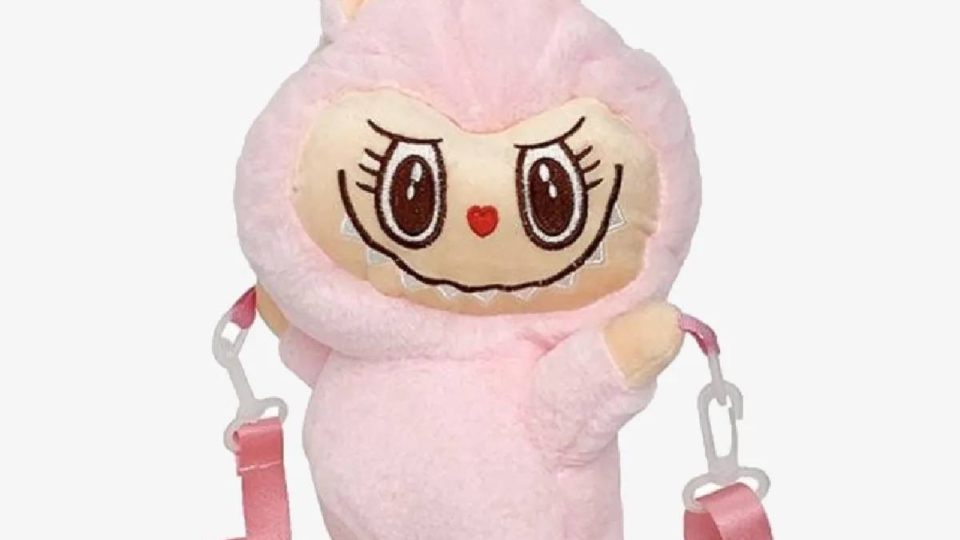
Labubu: The Mischievous Icon of Modern Art
Labubu is not just a character—it is a cultural phenomenon that sits at the intersection of art, design, storytelling, and modern collectible obsession. Created as part of the imaginative universe of designer toys, Labubu has grown far beyond its original artistic context to become a globally recognized symbol of playful chaos and emotional expression. With its mischievous grin, wide eyes, and slightly unsettling yet charming appearance, Labubu captures something deeply human: the balance between innocence and mischief, comfort and discomfort, fantasy and reality. It is this contradiction that makes Labubu unforgettable.
The Origins of Labubu: A Character Born from Artistic Imagination
Labubu was created by Hong Kong-based artist Kasing Lung, whose work is known for blending fairytale-inspired storytelling with surreal emotional depth. Labubu first appeared as part of a broader fantasy world filled with whimsical creatures, each representing different moods and narratives. Unlike traditional cartoon characters designed purely for entertainment, Labubu was crafted with artistic intention—meant to evoke feeling rather than simply deliver visual appeal.
What makes Labubu’s origin so interesting is its foundation in illustration and narrative art. Before becoming a collectible figure, Labubu existed as part of drawn stories that reflected themes of loneliness, curiosity, and imagination. This background gives the character a depth that resonates with collectors, even if they are not fully aware of its artistic roots. Labubu feels alive because it was originally imagined as something with emotion, not just form.
Design Philosophy: Cute, Creepy, and Perfectly Balanced
Labubu’s design is a masterclass in emotional duality. At first glance, it appears cute—large expressive eyes, rounded shapes, and playful proportions. But on closer inspection, there is something slightly eerie about it. The sharp teeth, exaggerated expressions, and unpredictable poses create a sense of controlled chaos. This balance between adorable and unsettling is exactly what makes Labubu stand out in the crowded world of collectible figures.
This design approach taps into a modern aesthetic trend often described as “creepy-cute,” where characters are intentionally built to evoke mixed emotions. Labubu thrives in this space. It is not meant to be traditionally beautiful or conventionally attractive. Instead, it is meant to be expressive, unpredictable, and emotionally layered.
Each variation of Labubu introduces new costumes, expressions, and themes, allowing the character to exist in multiple emotional states—from playful to mysterious, from joyful to slightly haunting. This constant reinvention keeps the character fresh and endlessly collectible.
The Rise of Designer Toys and Labubu’s Place in the Movement
Labubu exists within the larger world of designer toys, a niche but influential segment of contemporary art culture. Unlike mass-produced toys, designer toys are often created in collaboration with artists and produced in limited quantities. They blur the line between sculpture and collectible merchandise, appealing to both art enthusiasts and casual collectors.
In this space, Labubu has become one of the most recognizable figures. Its popularity is not based on mainstream advertising or media exposure but on word-of-mouth, social media sharing, and collector communities. Each release of Labubu figures often generates significant anticipation, with fans eager to discover new interpretations of the character.
What sets Labubu apart in the designer toy world is its emotional versatility. Some figures feel playful and lighthearted, while others lean into darker or more mysterious aesthetics. This range allows collectors to form personal connections with specific versions of the character, making each piece feel unique.
Emotional Storytelling Through Physical Form
One of the most powerful aspects of Labubu is its ability to tell stories without words. Each figure communicates emotion through posture, expression, and design details. A tilted head might suggest curiosity. A wide grin might suggest mischief. A slightly hunched posture might hint at shyness or introspection.
This form of storytelling is subtle but deeply effective. It allows collectors to interpret Labubu in their own way, projecting personal emotions onto the character. In this sense, Labubu becomes more than a static object—it becomes a mirror for the viewer’s imagination.
The emotional flexibility of Labubu is part of its enduring appeal. It can represent different feelings depending on context, lighting, and even the collector’s mood. This makes it feel alive in a way that traditional collectibles often do not.
The Role of Blind Boxes and Collectible Mystery
A significant part of Labubu’s popularity comes from the blind box culture associated with its releases. In this system, buyers do not know which version of Labubu they will receive until they open the box. This element of surprise adds excitement and unpredictability to the collecting experience.
Blind boxes transform collecting into a game of chance and anticipation. It is not just about owning a specific figure—it is about the experience of discovery. This system also encourages trading within collector communities, where fans exchange duplicates in pursuit of complete sets or rare editions.
The mystery surrounding each purchase enhances Labubu’s emotional impact. The moment of unboxing becomes a ritual, filled with curiosity and excitement, reinforcing the connection between collector and character.
Global Popularity and Community Culture
Labubu has achieved global recognition, with strong collector communities across Asia, Europe, and beyond. Social media platforms play a major role in this expansion, as fans share unboxing videos, display setups, and custom arrangements of their collections.
These communities are not just about collecting—they are about storytelling and expression. Fans often create themed displays, pairing Labubu figures with lighting, backgrounds, and other collectibles to create miniature worlds. This creative engagement transforms collecting into an art form in itself.
The global appeal of Labubu also lies in its universal emotional language. Even without understanding its origin story, people are drawn to its expressive design. It communicates feeling without requiring explanation, making it accessible across cultures and languages.
Labubu as a Symbol of Modern Escapism
In many ways, Labubu represents modern escapism. In a fast-paced, digitally saturated world, people increasingly seek objects that offer emotional comfort or imaginative escape. La bubu fits into this need perfectly. It is not tied to a single narrative or universe; instead, it exists as a flexible symbol of imagination.
For some, Labubu represents nostalgia for childhood wonder. For others, it represents artistic appreciation or aesthetic enjoyment. This adaptability allows it to resonate with a wide range of people, each projecting their own meaning onto the character.
Artistic Value and Cultural Recognition
Beyond its popularity as a collectible, Labubu holds genuine artistic value. It is part of a growing movement that challenges traditional boundaries between fine art and consumer products. Designer toys like Labubu are increasingly being recognized in galleries, exhibitions, and art discussions.
This recognition highlights an important shift in how art is perceived. Objects that were once considered purely commercial are now being appreciated for their conceptual depth and emotional impact. Labubu sits comfortably within this shift, embodying both artistic intention and collectible appeal.







Leave a Reply