


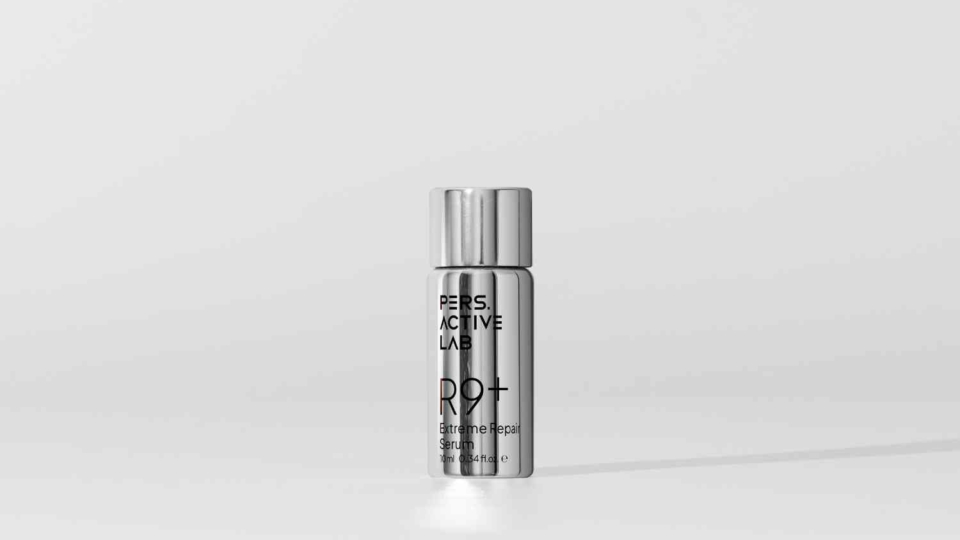
What Does a Skin Barrier Repair Serum Actually Do And Do You Really Need One?
There is a moment most people with troubled skin can relate to: you have tried cleanser after cleanser, moisturizer after moisturizer, and nothing seems to help. Your skin is dry in some places, oily in others, reactive to almost everything, and no product seems to make a lasting difference. What is often happening in these situations has less to do with the products themselves and more to do with what is happening beneath the surface specifically, a compromised skin barrier.
Over the last few years, “skin barrier repair” has gone from a clinical phrase used mostly by dermatologists to a full-blown skincare category. Serums, creams, and toners now crowd the shelves with promises of barrier restoration. But what does that actually mean? What is the skin barrier, what damages it, and is a dedicated repair serum genuinely worth adding to your routine or just another marketing trend dressed up in scientific language?
What Is the Skin Barrier and Why Does It Matter?
The skin barrier, known clinically as the stratum corneum, is the outermost layer of your skin. Think of it as a wall made of skin cells (corneocytes) held together by lipids primarily ceramides, fatty acids, and cholesterol. This structure keeps moisture locked inside the skin while blocking out irritants, bacteria, pollution, and allergens from the outside world.
When the barrier is intact and functioning properly, skin feels comfortable, looks balanced, and responds well to products. When it is damaged, that protective wall develops gaps. Moisture escapes, irritants get in, and the skin begins to react in ways that feel impossible to manage.
A healthy skin barrier is not just about comfort it is the foundation everything else in your skincare routine is built on. Actives like retinol, vitamin C, and exfoliating acids perform better on healthy skin. Moisturizers retain their effectiveness. Sunscreen applies more evenly. Without a functioning barrier, even the most expensive products will feel inadequate.
Signs Your Skin Barrier May Be Damaged
Barrier damage does not always look dramatic. It can be subtle and easy to misattribute to other causes. Some of the most common signs include:
Persistent dryness and tightness that does not resolve even after applying moisturizer. If your skin feels dry again within an hour of moisturizing, the barrier is likely not retaining water effectively.
Increased sensitivity and redness. If products you have used for years suddenly cause stinging, burning, or flushing, your barrier may have thinned or become compromised.
Breakouts and congestion in unusual places. When the barrier is damaged, the skin becomes more susceptible to bacteria and inflammation, which can trigger acne in areas that are not typically prone to it.
Rough or uneven texture. A damaged barrier disrupts the natural shedding of dead skin cells, leading to a dull, rough surface.
A feeling that nothing works. If your skincare routine has stopped delivering results and you cannot identify why, barrier compromise is often the overlooked explanation.
What Actually Damages the Skin Barrier?
Understanding what breaks the barrier down is just as important as knowing how to repair it. The most common culprits are:
Over-exfoliation is perhaps the most widespread cause of barrier damage in skincare enthusiasts. Using acids, scrubs, or retinol too frequently strips away the protective lipid layer faster than the skin can rebuild it. The damage is often gradual, which makes it easy to miss until it becomes significant.
Harsh cleansers that strip natural oils leave the skin without its protective sebum layer. Foaming cleansers with sulfates are the most common offenders, particularly for dry or sensitive skin types.
Environmental factors including cold weather, low humidity, wind, and prolonged sun exposure all degrade the barrier over time. Urban pollution also contributes by generating free radicals that damage skin cells.
Stress and poor sleep have a measurable impact on skin barrier function. Elevated cortisol levels reduce ceramide production, which weakens the structural integrity of the barrier.
Ageing naturally reduces the skin’s ability to produce ceramides and retain moisture, which is why barrier-related concerns tend to become more pronounced with age.
Incorrect product layering — using strong actives without adequate hydration and barrier support is another increasingly common cause, particularly as multi-step skincare routines become more popular.
What Does a Skin Barrier Repair Serum Actually Do?
A well-formulated skin barrier repair serum works by replenishing the components the barrier needs to function properly. It is not a surface-level fix. The goal is to restore the structure and function of the stratum corneum so the skin can do its job again.
Here is what the key ingredients in barrier repair serums are actually doing:
Ceramides are the most critical component. They make up roughly 50% of the lipid content of the skin barrier. When ceramide levels deplete through ageing, environmental damage, or over-exfoliation the barrier develops structural gaps. A serum containing ceramides works to replenish this lipid layer and seal those gaps.
Panthenol (Vitamin B5) is a provitamin that converts to pantothenic acid in the skin, which accelerates wound healing, reduces inflammation, and improves skin hydration. It is particularly effective at soothing irritated, reactive skin while the barrier rebuilds. This is why you will see B5 listed prominently in many of the most effective barrier repair formulas.
Yeast extracts particularly beta-glucan derived from yeast are increasingly recognised for their role in barrier repair. They stimulate the skin’s natural healing processes, reduce inflammation, and strengthen the barrier from within. They also have impressive hydration properties and help the skin become more resilient over time.
Hyaluronic Acid draws water into the skin and holds it there, addressing the immediate hydration deficit that accompanies barrier damage. It does not repair the barrier on its own but provides essential support while other ingredients do the structural work.
Fatty acids (linoleic acid, oleic acid) are the building blocks of the lipid matrix that holds the skin barrier together. Serums containing plant-derived fatty acids help restore this matrix and improve barrier cohesion.
Centella Asiatica (Cica) has become a recognised barrier-repair ingredient for good reason. It contains compounds like madecassoside and asiaticoside that reduce inflammation, promote collagen synthesis, and accelerate skin recovery making it especially useful for damaged or post-procedure skin.
The best barrier repair serums combine several of these ingredients rather than relying on a single one, because the barrier itself is a multi-layered, complex structure that responds best to comprehensive support.
Do You Actually Need One?
This is the fair question, and the honest answer is: it depends on where your skin currently is.
If your skin is generally balanced, tolerates actives well, and does not show signs of sensitivity or persistent dryness, a dedicated barrier repair serum is not necessarily a priority. A good moisturizer with ceramides may be sufficient to maintain your barrier health.
However, if you are experiencing any of the signs mentioned earlier sensitivity, dryness that will not budge, reactive skin, or a routine that has stopped working — a barrier repair serum is likely one of the most impactful things you can add. It addresses the root cause rather than managing symptoms.
It is also worth noting that a barrier repair serum is not just a reactive tool. For people who use strong actives like retinoids, high-strength vitamin C, or AHA/BHA exfoliants regularly, incorporating a barrier-focused serum is a proactive way to maintain skin health and prevent the kind of cumulative damage that eventually forces you to step back from your routine entirely.
How to Use a Skin Barrier Repair Serum Correctly
Apply it on clean, dry skin before heavier moisturizers or face oils. If you are going through a period of barrier recovery, consider temporarily pausing strong actives and letting the serum and a simple moisturizer do the work for two to four weeks.
Use it consistently. Barrier repair is not immediate most people begin to notice meaningful improvement in skin comfort and reactivity within three to six weeks of daily use.
Do not layer it with aggressive exfoliants. While the barrier is rebuilding, give it the calm environment it needs to do so.
Frequently Asked Questions
Q: How do I know if my skin barrier is damaged or if I just have naturally dry skin?
The key difference is responsiveness. Naturally dry skin tends to be consistently dry but stable it responds predictably to moisturizer and does not usually become suddenly sensitive or reactive. Damaged barrier skin often feels unpredictable: products that used to work stop working, sensitivity appears seemingly out of nowhere, and the skin feels uncomfortable regardless of what you apply. If that pattern sounds familiar, barrier damage is the more likely explanation.
Q: How long does it take to repair a damaged skin barrier?
Mild barrier damage can often be addressed within two to four weeks of consistent, gentle care. More significant damage caused by prolonged over-exfoliation or chronic environmental exposure can take six to twelve weeks to fully resolve. The key during this time is consistency and simplicity: fewer products, no harsh actives, and daily use of barrier-supportive ingredients.
Q: Can I use a barrier repair serum alongside retinol?
Yes, but with some care. If your skin is currently in a reactive or compromised state, it is worth pausing retinol temporarily while the barrier recovers. Once skin has stabilised, you can reintroduce retinol gradually alongside the serum applying the barrier repair serum first, allowing it to absorb, then applying retinol. This approach, sometimes called buffering, reduces irritation significantly.
Q: Is a barrier repair serum the same as a moisturizer?
Not quite. A moisturizer primarily works on the surface to prevent transepidermal water loss and provide a degree of hydration. A barrier repair serum goes deeper — it delivers active concentrations of ingredients like ceramides, B5, and fatty acids that work within the skin’s structure to restore barrier function. Think of the serum as the treatment and the moisturizer as the seal that locks it in. Both have a role, and they work best together
Q: What ingredients should I avoid if my barrier is damaged?
When the barrier is compromised, avoid high-concentration acids (glycolic above 5%, salicylic above 1%), high-strength retinoids, physical scrubs, alcohol-heavy toners, and heavily fragranced products. These all place additional stress on a barrier that is already struggling to cope. Simplify your routine and focus on gentle cleansing, barrier repair, and broad-spectrum SPF.
Q: Are barrier repair serums suitable for oily skin?
Absolutely. Oily skin can still have a compromised barrier in fact, over-cleansing and over-exfoliating in an attempt to control oil is one of the most common ways oily skin types damage their barrier. Look for a lightweight, non-comedogenic formula that provides barrier support without adding heaviness or occlusion. Niacinamide combined with B5 and ceramides works particularly well for oily skin with barrier concerns.
Q: Can children or teenagers use a skin barrier repair serum?
A gentle barrier repair serum with ingredients like B5, ceramides, and hyaluronic acid is generally safe for teenagers, particularly those dealing with acne treatments that can compromise the barrier. For younger children with skin conditions like eczema, it is best to consult a paediatric dermatologist before introducing any new serum.








Leave a Reply