


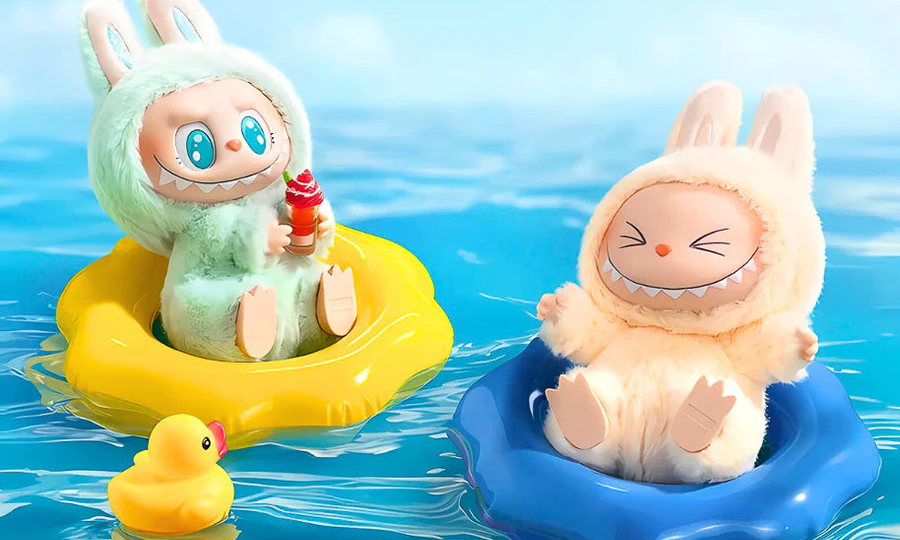
The Enigmatic World of La Bubu
In the ever-evolving landscape of collectible art toys, few characters have managed to capture global attention quite like Labubu. Often referred to casually as “La Bubu” by fans across different regions, this mischievous yet strangely endearing character has grown from a niche artistic creation into a cultural phenomenon. What makes Labubu stand out is not just its appearance, but the emotional complexity embedded within its design. It sits at the intersection of fantasy, nostalgia, and modern consumer culture, offering something far deeper than a simple collectible figure.
Created by artist Kasing Lung, Labubu belongs to a universe of whimsical creatures that feel both familiar and otherworldly. Unlike mass-produced toys that rely on polished perfection, Labubu thrives in imperfection. Its jagged teeth, wide eyes, and unpredictable expressions evoke curiosity rather than comfort, yet somehow manage to create an emotional bond with collectors. This paradox is exactly what has helped it rise into international popularity, especially through collaborations with Pop Mart, a leading force in the designer toy industry.
Origins: A Character Born from Illustration and Imagination
The origin of Labubu is rooted deeply in illustrated storytelling. Before it became a physical collectible figure, Labubu existed in the imaginative sketchbooks of Kasing Lung. His artistic style often blends European fairy-tale influences with Asian storytelling aesthetics, resulting in characters that feel like they belong to forgotten folklore. Labubu, in particular, emerged as part of a larger narrative universe known as “The Monsters,” a collection of strange yet lovable beings that inhabit surreal worlds.
What makes Labubu’s origin story compelling is its organic evolution. It was never designed with mass-market success in mind. Instead, it was an artistic expression—an exploration of emotion through exaggerated form. Over time, as Pop Mart recognized the potential of Kasing Lung’s work, Labubu transitioned from paper illustrations into three-dimensional vinyl figures. This shift did not dilute its identity; rather, it amplified its presence, allowing fans to physically engage with a character that once lived only in imagination.
Design Philosophy: Beauty in Chaos and Imperfection
At first glance, Labubu may appear chaotic or even unsettling. Its sharp teeth, asymmetrical smile, and wide, expressive eyes challenge traditional notions of cuteness. However, this intentional design direction is what gives the character its depth. Labubu is not meant to be conventionally beautiful; it is meant to be emotionally expressive.
The design philosophy behind Labubu embraces imperfection as authenticity. In a world saturated with polished digital aesthetics and standardized beauty, Labubu offers a refreshing contrast. It reflects the idea that personality is often found in flaws rather than perfection. Each figure variation—whether it is themed as a forest creature, a pirate, or a seasonal character—maintains this core identity while exploring different emotional tones.
Collectors often describe Labubu as a “mirror of mood,” meaning that people interpret its expressions differently depending on their own emotional state. This subjective interaction between object and observer is a rare quality in toy design and contributes significantly to its lasting appeal.
The Role of Pop Mart in Global Popularization
The transformation of Labubu from a niche art concept to a global collectible icon would not have been possible without the influence of Pop Mart. Known for revolutionizing the blind box collectible market, Pop Mart provided the platform necessary for Labubu to reach international audiences. Through curated releases, limited editions, and surprise-based purchasing models, the brand created an ecosystem where anticipation became part of the experience.
This blind box format added a psychological layer to collecting Labubu figures. Buyers do not always know which version they will receive, which turns each purchase into a moment of suspense and excitement. This unpredictability mirrors the character’s own chaotic personality, making the experience feel thematically consistent.
Pop Mart’s global distribution also allowed La bubu to transcend cultural boundaries. What began as a regional artistic expression quickly became a worldwide trend, with collectors from Asia, Europe, and North America engaging in online communities, trading figures, and sharing interpretations of each release.
Emotional Connection: Why Labubu Resonates with Collectors
One of the most fascinating aspects of Labubu’s popularity is the emotional connection it establishes with its audience. Unlike traditional toys that appeal primarily through aesthetics or functionality, Labubu engages people on a psychological level. Its expression often appears ambiguous—neither fully happy nor entirely sad—which allows viewers to project their own emotions onto it.
This ambiguity creates a sense of companionship. Many collectors describe Labubu as comforting in an unconventional way, almost like a silent companion that reflects internal moods without judgment. The character’s slightly chaotic appearance also resonates with individuals who feel disconnected from overly polished or idealized forms of art.
In this sense, Labubu becomes more than a collectible; it becomes an emotional artifact. Each figure represents a moment in time, a feeling, or even a memory tied to the collector’s personal experience. This emotional layering is a key reason why Labubu has maintained long-term relevance in a rapidly changing collectible market.
Collectibility and Market Culture
The collectible culture surrounding Labubu is both dynamic and highly competitive. Limited releases often sell out quickly, creating a strong secondary market where rare figures can become highly valuable. This scarcity-driven demand has contributed to Labubu’s reputation as not just an art piece, but also a cultural asset.
Collectors often organize online groups, forums, and trading communities where they exchange figures or discuss upcoming releases. These communities play a crucial role in sustaining the character’s popularity, as they continuously generate conversation and anticipation around new designs.
However, beyond monetary value, many collectors emphasize the emotional satisfaction of completing a series or acquiring a rare variant. The joy lies not only in ownership but in participation within a shared cultural experience. Labubu, in this context, acts as a bridge between individual expression and collective enthusiasm.
Cultural Impact: A Symbol of Modern Artistic Consumerism
Labubu’s influence extends beyond the world of toys. It represents a broader shift in how people engage with art in the modern era. In traditional contexts, art was often confined to galleries or museums. Today, characters like Labubu blur the boundary between art, product, and lifestyle.
This shift reflects a growing appreciation for accessible art—creations that people can physically own, interact with, and integrate into their daily lives. Labubu embodies this democratization of art while still maintaining artistic integrity. It challenges the notion that commercial success diminishes artistic value, proving instead that mass appeal and creativity can coexist.
Additionally, Labubu has become a visual language within digital culture. It frequently appears in social media posts, aesthetic setups, and personal collections shared online. Its distinctive design makes it instantly recognizable, contributing to its identity as a cultural symbol rather than just a collectible figure.






Leave a Reply