


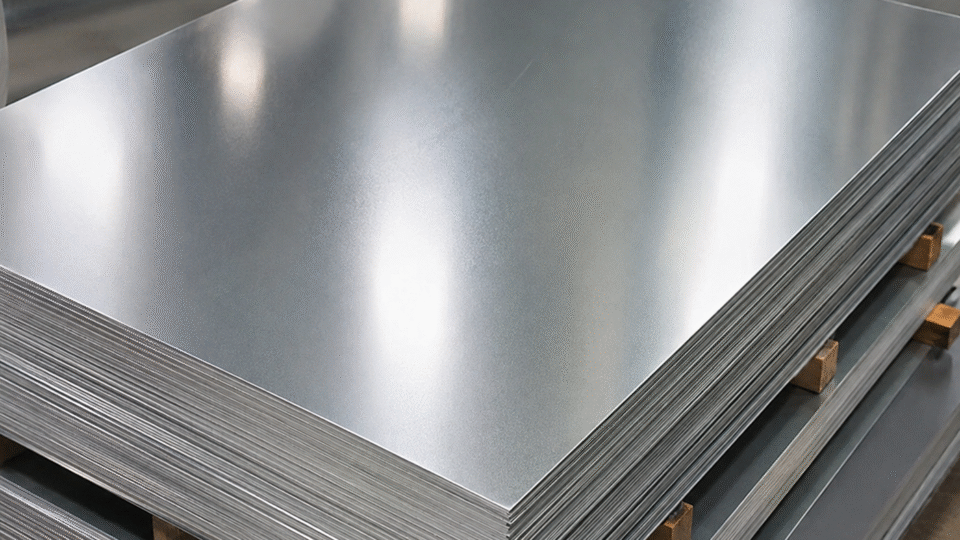
Tin Plate Price Trend Q2 2026: China vs India
Tin Plate Price Trend Q2 2026
The Tin Plate Price Trend remained relatively balanced during Q2 2026, with China and India reporting closely aligned export prices in May. As manufacturers, packaging companies, and procurement teams continued to monitor raw material costs, tin plate remained a key product for industries that depend on durable, corrosion-resistant steel packaging.
According to the latest available data, China recorded a FOB price of USD 939.40 per metric ton, while India reported USD 933.55 per metric ton in May 2026. The narrow price difference highlights a competitive export environment and reflects similar market conditions across two major manufacturing hubs.
Understanding these pricing patterns helps businesses make better sourcing decisions, manage procurement budgets, and evaluate regional supply opportunities.
Tin Plate Prices in Q2 2026
The latest available prices are shown below.
| Product | Region | Incoterm | Price | Last Updated |
|---|---|---|---|---|
| Tin Plate | China | FOB | USD 939.40/MT | May 2026 |
| Tin Plate | India | FOB | USD 933.55/MT | May 2026 |
Both markets remained within a narrow pricing range during the reported period.
China’s FOB price stood slightly higher than India’s, although the difference was less than USD 6 per metric ton. For global buyers, this means procurement decisions may depend as much on logistics, supplier relationships, and delivery schedules as on price itself.
For companies purchasing large volumes, even a modest difference can influence overall procurement costs, making continuous market monitoring an essential practice.
What Is Driving the Tin Plate Price Trend?
Tin plate pricing is influenced by several interconnected factors rather than a single market event. Buyers often evaluate these variables together before making purchasing decisions.
Some of the major influences include:
- Steel production costs
- Availability of tin coating material
- Manufacturing efficiency
- Export market activity
- Freight and logistics expenses
- Procurement demand from packaging industries
- Regional supply conditions
Because tin plate is widely used across multiple manufacturing sectors, pricing generally reflects both production economics and downstream demand.
Even when regional prices remain stable, changes in any of these areas can quickly affect procurement strategies.
Comparing China and India Tin Plate Prices
China and India continue to be important suppliers of tin plate for international markets.
China
China reported:
- FOB Price: USD 939.40/MT
- Month: May 2026
Chinese suppliers maintained prices close to regional market levels. The country’s large manufacturing base allows exporters to serve diverse international buyers while remaining competitive in global trade.
India
India reported:
- FOB Price: USD 933.55/MT
- Month: May 2026
India’s export price was marginally lower than China’s during the same period. This pricing may attract buyers looking to optimize procurement costs while maintaining supply flexibility.
Although the difference is relatively small, procurement teams often compare supplier capabilities, lead times, and contract terms before selecting a sourcing region.
Why the Tin Plate Price Trend Matters
Price movements directly influence procurement planning across industries that rely on metal packaging materials.
Organizations use price trend analysis to:
- Build procurement budgets
- Evaluate supplier competitiveness
- Plan contract negotiations
- Reduce purchasing risks
- Monitor regional sourcing opportunities
- Improve inventory planning
Instead of reacting to sudden market movements, businesses that follow pricing trends regularly are generally better positioned to make informed purchasing decisions.
This becomes especially valuable for companies managing long-term supply agreements.
Industries That Depend on Tin Plate
Tin plate plays an important role across several manufacturing sectors because of its durability, corrosion resistance, and suitability for packaging applications.
Common industries include:
- Food packaging
- Beverage packaging
- Consumer goods
- Industrial containers
- Chemical packaging
- Aerosol can manufacturing
- General metal packaging
These industries often monitor the Tin Plate Price Trend closely because packaging materials can represent a meaningful portion of production costs.
Stable pricing supports predictable procurement planning, while unexpected fluctuations may require adjustments in purchasing strategies.
Procurement Considerations for Buyers
When evaluating suppliers, price is only one part of the purchasing decision.
Procurement professionals also consider:
- Supplier consistency
- Export capability
- Delivery schedules
- Product specifications
- Incoterms
- Long-term supply reliability
- Inventory planning
The May 2026 pricing data suggests that both China and India remain competitive sourcing options. Buyers may therefore place greater emphasis on operational factors rather than focusing solely on small price differences.
Maintaining relationships with multiple qualified suppliers can also improve purchasing flexibility during changing market conditions.
Understanding FOB Pricing
The reported Tin Plate Prices are based on the FOB (Free on Board) incoterm.
Under FOB pricing:
- The seller is responsible until goods are loaded at the export port.
- The buyer manages ocean freight and insurance after shipment.
- International transportation costs are not included in the listed FOB price.
Because many global commodity transactions use FOB terms, buyers should account for additional shipping expenses when comparing sourcing regions.
This provides a more accurate picture of the final landed cost.
Outlook for the Tin Plate Market
The Tin Plate Price Trend Q2 2026 reflects a market where export prices in China and India remain closely aligned.
While future pricing will continue to depend on production costs, procurement activity, and regional supply conditions, businesses that monitor market developments consistently are better equipped to respond to changing sourcing opportunities.
Rather than relying on isolated price points, procurement teams benefit from tracking trends over time to support budgeting, supplier evaluation, and purchasing decisions.
Conclusion
The Tin Plate Price Trend during Q2 2026 showed relatively stable export pricing across two major producing countries. China recorded USD 939.40/MT FOB, while India reported USD 933.55/MT FOB in May 2026. Although the price gap was small, buyers should evaluate supplier reliability, logistics, and procurement objectives alongside pricing. Regular monitoring of the Tin Plate Price Trend remains an effective way to strengthen procurement planning and improve sourcing decisions.
Frequently Asked Questions
1. What is the Tin Plate Price Trend?
The Tin Plate Price Trend refers to how tin plate prices change over time based on market conditions, production costs, supply availability, and procurement demand. Businesses use these trends to support purchasing decisions and improve budget planning.
2. What were the latest Tin Plate Prices in Q2 2026?
In May 2026, the reported FOB price for tin plate was USD 939.40 per metric ton in China and USD 933.55 per metric ton in India, showing closely matched export pricing between the two markets.
3. Which industries monitor the Tin Plate Price Trend?
Food packaging, beverage manufacturing, aerosol can production, consumer goods, industrial packaging, and chemical container manufacturers regularly monitor the Tin Plate Price Trend because packaging materials influence procurement costs and production planning.
4. Why is FOB pricing important when comparing Tin Plate Prices?
FOB pricing covers the cost of the product until it is loaded onto the export vessel. Buyers must still consider freight, insurance, and destination-related expenses when calculating the total landed cost of imported tin plate.
5. How can businesses use the Tin Plate Price Trend for procurement planning?
Tracking the Tin Plate Price Trend helps procurement teams compare suppliers, estimate future purchasing costs, negotiate contracts more effectively, manage inventory planning, and make informed sourcing decisions based on changing market conditions.

Leave a Reply