


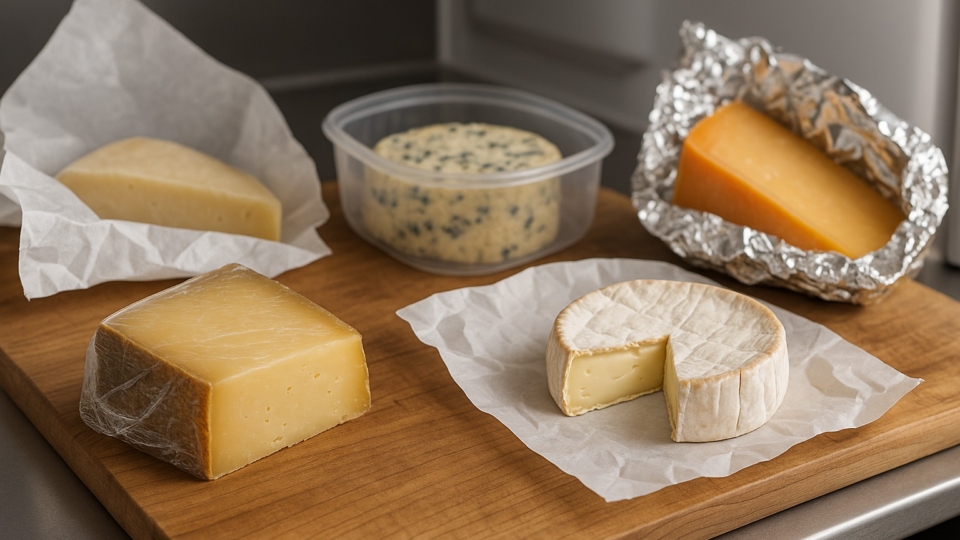
5 Common Cheese Storage Mistakes That Are Ruining Your Expensive Artisan Cheeses
You’ve just splurged on that gorgeous wedge of aged Gruyère or a creamy wheel of Camembert from your local cheesemonger. You get it home, pop it in the fridge, and a few days later… it’s dried out, smells like your leftover curry, or has developed a weird slimy texture. Sound familiar?
Here’s the truth: most of us are unknowingly destroying our artisan cheeses with simple storage mistakes. After years of working with cheese experts and testing different storage methods, I’ve identified the five most common errors that turn premium cheese into expensive disappointments.
Mistake #1: Suffocating Your Cheese in Plastic Wrap
The Problem: Wrapping cheese tightly in plastic wrap is like putting it in a tiny, airless prison. Cheese is alive—it contains beneficial bacteria and molds that need to breathe. When you seal it in plastic, moisture gets trapped, creating a breeding ground for unwanted mold and slime.
The Solution: Use cheese paper (wax-coated paper) or parchment paper instead. This allows the cheese to breathe while retaining enough moisture. Wrap it loosely, then place it in a slightly open container or bag. If you don’t have cheese paper, aluminum foil works better than plastic wrap—just don’t wrap it too tightly.
Pro Tip: Save the original paper your cheesemonger wrapped it in. That paper is specifically designed for cheese storage and can often be reused once or twice.
Mistake #2: Storing All Cheeses at the Same Temperature
The Problem: Not all cheeses are created equal when it comes to storage temperature. Your standard refrigerator runs at about 35-38°F, which is too cold for most cheeses. At this temperature, the fats start to crystallize, and the cheese loses its creamy texture and complex flavors.
The Solution: Store cheese in the warmest part of your refrigerator—usually the vegetable drawer or a drawer dedicated to cheese. This area typically sits between 40-45°F, which is ideal for most cheeses.
For soft-ripened cheeses like Brie or Camembert, aim for the warmer end of this range. Hard aged cheeses like Parmigiano-Reggiano can tolerate slightly cooler temperatures. Before serving, always let cheese sit at room temperature for 30-60 minutes to allow the flavors and aromas to fully develop.
Mistake #3: The “Cheese Drawer Free-for-All”
The Problem: Tossing all your different cheeses together in one container is asking for trouble. Strong-flavored cheeses will overpower delicate ones, and different moisture levels can affect neighboring cheeses. Plus, cross-contamination can spread unwanted molds from one cheese to another.
The Solution: Store each cheese separately, wrapped in its own paper. If you must store multiple cheeses together, keep them in individual wrappings and separate soft cheeses from hard ones.
Quick Reference Guide:
- Soft cheeses (Brie, fresh mozzarella): Most sensitive, store separately, consume within 1-2 weeks
- Semi-soft cheeses (Havarti, Gouda): Moderate care needed, good for 2-3 weeks
- Hard cheeses (Cheddar, Manchego): More forgiving, last 3-4 weeks or longer
- Blue cheeses: Store in their own container to prevent spreading their distinctive mold
Mistake #4: Cutting Off Too Much When Mold Appears
The Problem: You see a spot of mold and immediately toss the entire $30 wedge of cheese. While this might seem like the safe choice, you’re often throwing away perfectly good cheese.
The Solution: For hard and semi-hard cheeses, mold on the surface is usually harmless. Simply cut off the moldy area plus an extra half-inch around it, and the rest is perfectly safe to eat. The dense structure of hard cheese prevents mold from penetrating deep into the product.
However, if you see mold on soft or fresh cheeses (like ricotta, cottage cheese, or cream cheese), you should discard the entire package. These cheeses have high moisture content that allows mold to spread invisibly throughout.
Important: If your cheese smells like ammonia, has pink or orange discoloration, or the mold is fuzzy and black, throw it out regardless of the type.
Mistake #5: Forgetting About Cheese Until It’s Too Late
The Problem: Life gets busy, and that beautiful cheese you bought gets pushed to the back of the fridge. By the time you remember it, it’s either rock-hard, swimming in its own liquids, or covered in suspicious growth.
The Solution: Buy only what you’ll eat within a reasonable timeframe. For most artisan cheeses, this means 1-3 weeks depending on the type. Keep a simple rotation system—new purchases go to the back, older cheese to the front.
Check your cheese every few days. Rewrap it if the paper looks damp or if condensation has formed inside the wrapper. This simple habit prevents moisture buildup and extends shelf life significantly.
The Bottom Line
Great cheese deserves great care. These five mistakes are easy to fix, and the difference in flavor and texture is immediately noticeable. Your artisan cheeses will taste fresher, last longer, and deliver the full experience you paid for.
Remember: when in doubt, ask your cheesemonger for specific storage advice for each cheese you purchase. They’re usually happy to share their expertise—and they want you to enjoy every bite as much as they do.








Leave a Reply