


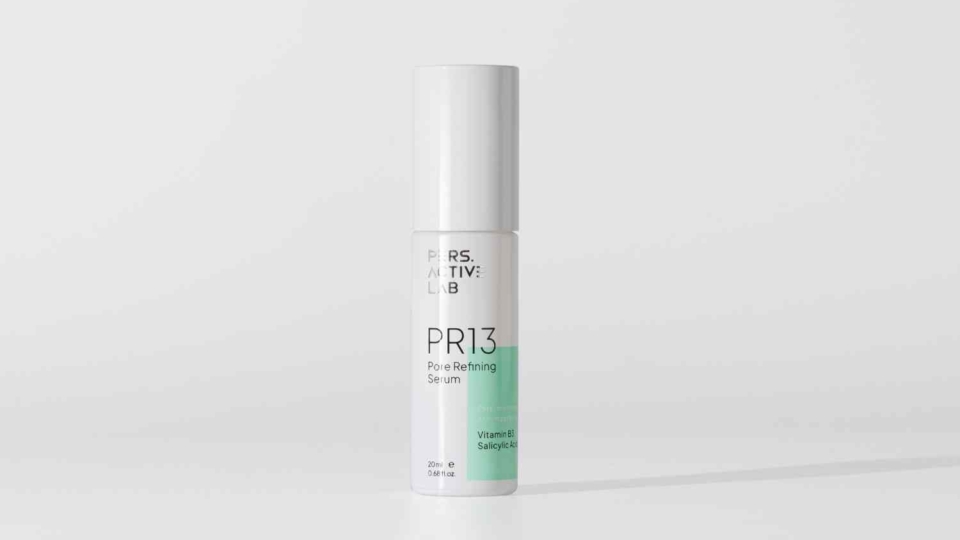
Why Does Oily Skin Have Larger Pores? Dermatologist Explains
Published for skin wellness professionals and informed readers | Dermatology & Skincare
If you have grown up in India dealing with year-round humidity, pollution, and a skin type that seems to shine before noon, you already know the frustration of enlarged pores. They sit stubbornly across your nose, cheeks, and forehead, resisting every home remedy your grandmother suggested and every product you have tried. But here is what most people never ask: why does oily skin produce larger pores in the first place? And why does this problem feel so much more visible and persistent on Indian skin specifically?
This article breaks down the dermatological science behind enlarged pores, connects it to the unique physiology of melanin-rich Indian skin, and gives you an honest, evidence-based understanding of what actually works.
The Basic Anatomy: What Is a Pore, Really?
A pore is simply the opening of a hair follicle on the surface of your skin. Each follicle connects to a sebaceous gland the gland responsible for producing sebum, your skin’s natural oil. When this gland works normally, sebum travels up through the follicle and onto the skin, forming a thin protective layer that keeps moisture in and environmental damage out.
The size of a pore depends on several factors: the diameter of the follicle itself, the volume of oil your sebaceous gland produces, the elasticity of the surrounding skin, and the accumulation of dead cells or debris inside the follicle opening.
When any one of these factors pushes beyond a balanced range, particularly excess oil production, the follicle wall stretches outward. That stretching is what you see as a visible, enlarged pore.
Why Does Excess Oil Physically Stretch the Pore?
Sebaceous glands in oily skin produce significantly more sebum than those in normal or dry skin types. This excess oil does not simply sit on the surface — it accumulates inside the follicle canal before it exits. As the volume of sebum builds, it exerts outward pressure on the follicle walls.
Over time, this repeated distension weakens the collagen fibres that surround each follicle. Think of it like repeatedly stretching a rubber band it loses the ability to snap back to its original shape. Once follicular collagen degrades, the pore loses its structural support and stays visibly open.
Dead skin cells compound this problem. Oily skin creates an environment where keratinocytes the cells forming the outer skin layer shed irregularly and often clump together inside the follicle. This cellular debris mixes with excess sebum and forms a soft plug, physically widening the pore opening from the inside. This is the biological basis of both open comedones (blackheads) and the general appearance of enlarged pores.
This is the stage where incorporating a high-quality pore minimizing serum into your routine becomes clinically relevant. A well-formulated serum with niacinamide, retinoids, or salicylic acid addresses both the excess sebum and the dead cell accumulation that keeps pores visibly distended.
The Indian Skin Factor: Why Pores Look More Prominent Here
Indian skin belongs predominantly to Fitzpatrick skin types III to V a classification that reflects higher melanin density, thicker dermal layers, and greater sebaceous gland activity compared to lighter skin types. Each of these characteristics directly influences how pores behave and appear.
Higher sebaceous gland density. Research consistently shows that individuals with darker skin tones carry a higher density of sebaceous glands per square centimetre. More glands mean more oil production sites, which translates to more follicular distension across a wider surface area of the face.
Thicker stratum corneum. The outermost layer of Indian skin tends to be more compact, which contributes to uneven shedding of dead skin cells. Dead cells accumulate at the follicle opening more readily, keeping pores visibly plugged and enlarged.
Climate amplification. India’s tropical and subtropical climate creates a combination of humidity and temperature that stimulates sebaceous gland activity year-round. Inherently normal and even Indian skin types can shift toward oil overproduction during summer months, worsening pore appearance.
Post-inflammatory hyperpigmentation (PIH). When pores become inflamed, as they frequently do in acne-prone oily skin, Indian skin is highly susceptible to leaving behind dark marks around each pore. This pigmentation makes the pore itself appear larger and darker than it actually is, a visual trick that frustrates many people who believe their pores are still “clogged” long after the inflammation resolves.
Also Read:- What Does a Skin Barrier Repair Serum Actually Do, and Do You Really Need One?
Hormones, Diet, and Lifestyle: The Amplifiers
Sebaceous gland activity does not operate in isolation. Multiple internal and external triggers actively increase oil production, each capable of making pore enlargement worse.
Androgens are the primary hormonal driver. Testosterone and its derivatives directly stimulate sebaceous glands to produce more sebum. This explains why enlarged pores first become noticeable during puberty and why hormonal fluctuations during menstrual cycles, pregnancy, and conditions like polycystic ovarian syndrome (PCOS) which carries a high prevalence among Indian women can worsen oiliness and visible pores dramatically
High glycaemic index diets spike insulin levels, which in turn triggers insulin-like growth factor 1 (IGF-1). This hormone directly activates sebaceous glands. A diet heavy in white rice, refined flour, and sugar common across many Indian dietary patterns can sustain chronically elevated sebum production even when other factors are managed.
Sun exposure degrades collagen in the skin surrounding follicles. Over years, this UV-induced collagen loss removes the structural scaffolding that keeps pore walls tight. Without adequate photoprotection, even a person who manages oil production well will see pore enlargement progress with age.
Inadequate cleansing or over-cleansing both cause problems. Skipping cleansing allows sebum and dead cells to accumulate inside follicles. Conversely, using harsh, stripping cleansers triggers reactive sebum overproduction as the skin tries to compensate for lost surface lipids.
What the Dermatology Evidence Says About Treatment
No topical product eliminates pores permanently. Pores are anatomical structures, not cosmetic defects. However, dermatologically proven interventions do reduce their visible size by addressing the root causes of distension.
Niacinamide (Vitamin B3) reduces sebum production at the gland level and strengthens the skin barrier, making it one of the best-studied ingredients for pore management in Indian skin. It also addresses PIH, making it doubly relevant for darker skin tones.
Salicylic acid (BHA) is oil-soluble, which means it penetrates inside the follicle canal and dissolves the sebum-dead cell plugs that physically expand pore openings. Regular use visibly reduces pore size within four to six weeks in most cases.
Retinoids stimulate collagen synthesis around follicles, restoring the structural support that keeps pore walls from expanding. They also regulate keratinocyte shedding, preventing dead cell accumulation. Retinoids require careful introduction in Indian skin due to the risk of triggering PIH during the initial irritation phase.
Sunscreen protects follicular collagen from UV degradation. Daily broad-spectrum SPF use is non-negotiable for anyone concerned about pore enlargement over the long term.
Using a targeted pore minimizing serum that combines these active ingredients, ideally one formulated for the higher melanin density and humidity conditions of Indian skin, delivers better results than single-ingredient approaches and supports the skin barrier rather than stripping it.
The Myths Worth Discarding
Steam opens pores so they can be cleaned. Steam softens the debris inside follicles, making extraction easier, but it does not actually open or close pores. Pores do not have muscles.
“Cold water closes pores.” Temporary vasoconstriction from cold water creates a tighter appearance, but the pore itself does not change size.
“Pores can be permanently shrunk.” Pore size has a strong genetic component. Consistent, science-backed skincare reduces their visible appearance significantly, but does not alter your follicular anatomy.
“Oily skin does not need moisturiser.” Skipping moisturiser dehydrates the skin, triggering compensatory sebum overproduction, which worsens the very problem you are trying to solve.
Frequently Asked Questions
Q1. Does Indian skin have naturally larger pores than other skin types?
Not necessarily larger as an absolute measurement, but oily skin, which is more prevalent in South Asian populations due to higher sebaceous gland density, experiences more follicular distension. Couple that with India’s climate, driving year-round sebum production, and the result is pores that appear more visible compared to drier skin types in cooler climates.
Q2. At what age do pores typically become most noticeable in Indians?
Most people notice visible pore enlargement beginning in their early teens, coinciding with the androgen surge of puberty. Pores often remain prominent through the twenties and thirties, particularly in those with persistent oiliness or acne. After forty, reduced collagen production from both ageing and sun damage adds a second wave of visible pore enlargement.
Q3. Can a damaged skin barrier make pores look larger?
Yes, and this connection is underappreciated. A compromised barrier triggers sebum overproduction as a compensatory response. Simultaneously, barrier damage accelerates transepidermal water loss, causing surface dehydration that makes skin texture including pores appear more pronounced. Repairing the barrier with ceramide-based moisturisers visibly reduces this effect.
Q4. Is professional treatment necessary to manage large pores in oily skin?
Not in most cases. A consistent at-home routine with BHA exfoliants, niacinamide, retinoids, and daily SPF addresses the primary causes of pore enlargement effectively. Professional treatments like chemical peels, microneedling, or laser resurfacing offer accelerated results and are worth considering for severe cases, but they are not the entry point.
Q5. Does diet directly affect pore size in Indian skin?
Diet does not change pore diameter directly, but it significantly affects sebum production which stretches pores from within. High-glycaemic foods spike IGF-1 and androgen activity, increasing sebum output. Reducing refined carbohydrates and sugar, and incorporating anti-inflammatory foods like omega-3 fatty acids, produces measurable reductions in sebum production over several weeks.
Q6. How long does it take to see visible pore reduction with a proper skincare routine?
With consistent use of clinically active ingredients particularly BHA and niacinamide most people with oily Indian skin notice visible improvement in pore appearance within four to eight weeks. Structural improvements from retinoids, which involve collagen remodelling, take three to six months of regular use to fully manifest.
Conclusion
Enlarged pores in oily Indian skin are not a cosmetic vanity they are the direct, visible outcome of overactive sebaceous glands, compromised follicular collagen, irregular cell shedding, and the particular physiology of melanin-rich skin living in a hot, humid climate. Understanding the mechanism is the first step toward addressing it intelligently rather than reacting to every trending product or aggressive DIY remedy.
The path forward is built on consistency: a barrier-respecting cleanser, targeted actives like niacinamide and salicylic acid, collagen-supporting retinoids, and non-negotiable daily sun protection.
For those looking for a formulation designed with Indian skin conditions in mind, SKin-pal offers a clinically considered approach to oily and combination skin, addressing the root causes of pore enlargement without disrupting the skin barrier that darker skin tones depend on for protection against hyperpigmentation and inflammation. It is a brand worth exploring if you want results built on dermatological science rather than marketing claims.
Pores are a permanent anatomical feature. Visible, enlarged, clogged pores are a skin condition, and skin conditions respond to the right care.






Leave a Reply